Diethelm’s Foodies’ Guide
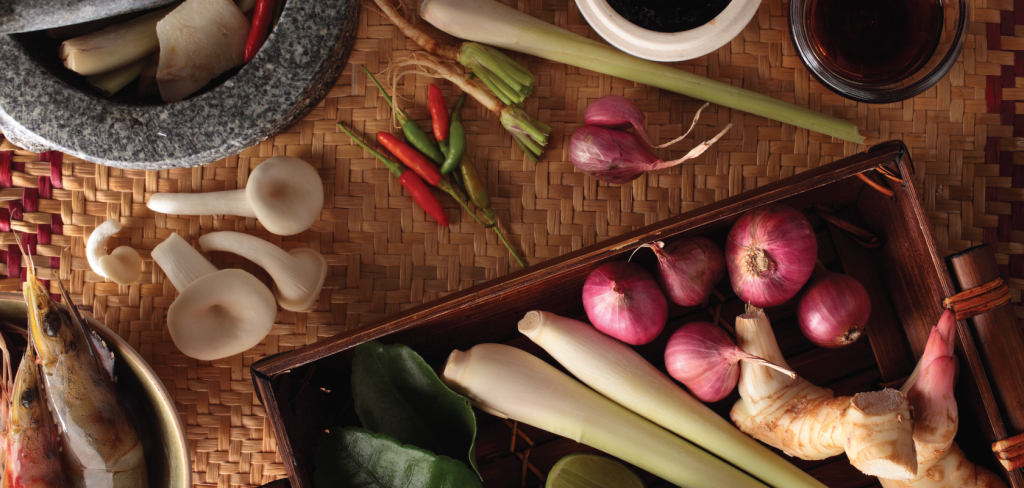
Cambodia After Dark Foodie Tour The Cambodian culinary experience is fun and exotic with an abundance of spices and herbs that light up the flavours of the dishes. In the middle of busy local street vendors, you’ll find a seemingly endless array of unusual foods with a spectacular diversity of flavours. See more details: https://www.diethelmtravel.com/packages/after-dark-foodie-tour/ Vietnam Saigon Experience After Dark Get ready for your Vespa experience on this street food adventure tour. After a stop at Café Zoom to watch the world go by and enjoy a cocktail and appetisers (included), you’ll go on to discover some favourite local eating spots. You’ll experience the night life of Saigon as the locals do – from the back of a vintage Vespa scooter! See more details: https://www.diethelmtravel.com/packages/saigon-exprerience-after-dark/ Hanoi Scenic Ride for Foodies Traveling by scooter in Hanoi’s crazy traffic can be an extraordinary experience but totally worth-the-effort. Join this exciting tour to get an insight into the city’s major landmarks and the intricacies and tradition of Vietnamese food culture. See more details: https://www.diethelmtravel.com/packages/hanoi-scenic-ride-for-foodies/ Malaysia Malaysian Home Cooking – Kuala Lumpur Learn how to cook like a true Malay! You’ll first visit the wet Chow Kit market, where local housewives haggle with Chinese, Malay and Indian traders over a diverse array of goods before transferring to Petaling Jaya for lunch and a cooking class at LaZat Malaysian Home Cooking Class. See more details: https://www.diethelmtravel.com/packages/malaysian-home-cooking-kuala-lumpur-sic/ Malaysia Foodie Street Experience Foodies and families will love sampling the diversity of flavors that grace Malaysian plates in the heart of Kuala Lumpur. The dishes you will sample are based on deep tradition and heritage created in Petaling Street, or Chinatown. See more details: https://www.diethelmtravel.com/packages/foodie-street-experience/ Foreign Flavours: Penang Cooking Class You’ll commence your tour with a local breakfast of Chinese or Indian cuisine with your chef Ms. Nazlina. From here you’ll explore several markets in the city centre, including Campbell Street, Chow Rasta and other vendors before walking back to Nazlina Spice for your traditional Malay cooking class. See more details: https://www.diethelmtravel.com/packages/foreign-flavours-penang-cooking-class/ Handicraft and Spice Market Discovery Get a taste of authentic Malaysian culture as you visit a local handicraft market, with hundreds of stalls selling handicrafts from around the region. Next, it’s on to the spice bazaar to learn about various spices and other common ingredients found in local Malaysian cuisine. See more details: https://www.diethelmtravel.com/packages/handicraft-and-spice-market-discovery/ Singapore Heritage Food Tour Get a taste of Singapore’s multi-heritage cuisines comprising Chinese, Malay, Indian and Peranakan. Visit the bustling Geylang Serai Market and indulge in favourites like roti prata with a frothy glass of teh tarik before moving on to the Joo Chiat/Katong neighbourhood, which is home to famous Nyona delicacies like laksa. See more details: https://www.diethelmtravel.com/packages/heritage-food-tour-by-alphard-or-similar/ Thailand Authentic Chinatown From the narrow alleys of Talad Noi to the bright lights of Yaowarat, discover the very best of Bangkok’s Chinatown on our late afternoon and evening tour via foot and tuk tuk while sampling delicious Thai-Chinese delicacies. See more details: https://www.diethelmtravel.com/packages/authentic-chinatown/ Authentic home dining experiences in Bangkok by Aoy Today you will enjoy a rather unique Thai cooking experience which includes a scenic boat trip, market tour and lunch outside of Bangkok. See more details: https://www.diethelmtravel.com/packages/authentic-home-dining-experiences-in-bangkok-by-aoy-group-experience/ Evening Food by Tuk Tuk Adventure Food and tuk tuks! Two of the things that Bangkok is most famous for and one of the best way to spend an evening! See more details: https://www.diethelmtravel.com/packages/evening-food-by-tuk-tuk-adventure-2/ Myanmar 8-day Myanmar Culinary Journey Moving through Yangon, Bagan and Inle Lake, learn about the delights of Burmese cooking including visiting local fresh markets, taking a Shan cooking class and more. See more details: https://www.diethelmtravel.com/packages/8-day-myanmar-culinary-journey-2/ Mandalay Night Bites: Join In Enjoy a fun ride on a light truck through the streets of Mandalay, taste the most popular local snacks and chat with passers-by. Enjoy Myanmar beer and barbeque dishes at the beer station for an authentic local experience. See more details: https://www.diethelmtravel.com/packages/mandalay-night-bites-join-in/ Mandalay’s Teashops Foodies with Trishaw Explore the flavours of Mandalay on this foodie journey enjoying a classic Mandalay trishaw ride to explore the best snacks that Mandalay has to offer. See more details: https://www.diethelmtravel.com/packages/mandalays-teashops-foodies-with-trishaw-2/ Foreign Flavours: Shan Cooking Class at Heritage House These cooking classes are intended for adults and children who want to discover the gastronomic secrets of the Inle area. During this class, you will learn traditional recipes and discover how to create local favourites from scratch. See more details: https://www.diethelmtravel.com/packages/foreign-flavors-shan-cooking-class-at-heritage-house-2/ Sri Lanka Tea and Herb Tour Tour a state-of-the-art factory and warehouse in Mulleriyawa then learn the art of tea tasting from industry experts who will demonstrate how to detect the subtleties in distinctive flavours of tea. See more details: https://www.diethelmtravel.com/packages/tea-and-herb-tour/ Food, Glorious Food Fourteen days of gastronomic experiences featuring the dishes unique to each area of the island. Return home as a guru in your curries and spices. Whether you are a beginner who has never cooked or an expert chef, or just a foodie who loves to explore the boundaries of your palate, this tour has cooking classes arranged at many locations along the way. See more details: https://www.diethelmtravel.com/packages/food-glorious-food/ Contact us here for more foodies’ delight tailor-made tours!
6 Asian food blogs to follow
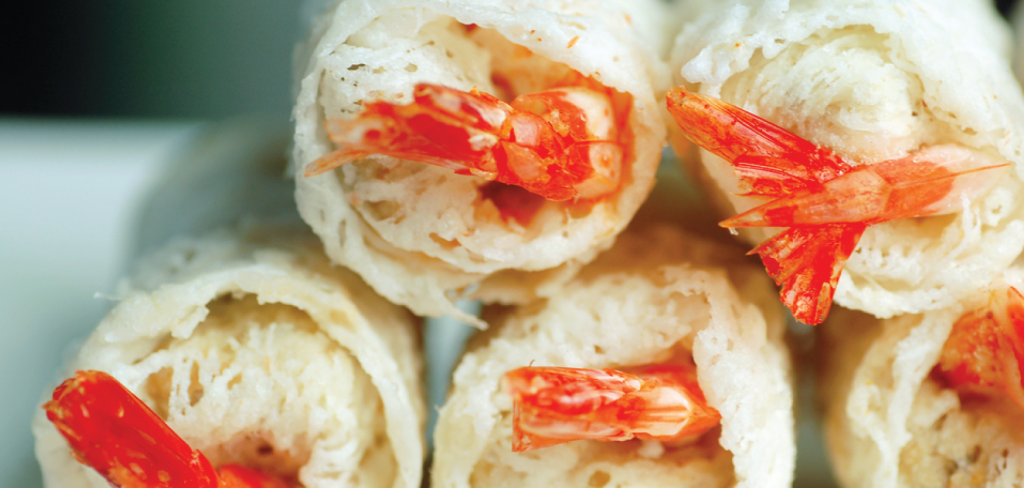
Food blogs have revolutionised and democratised the world of cooking. While foodies are travelling to new destinations, palates are expanding and the industry itself is becoming more diverse and inclusive, it’s also never been easier for a home chef to discover and try new techniques and cuisines. If you’re a fan of Asian cuisines, or simply enjoy connecting with cultures through food, these six Asian food blogs are worth following. She Simmers Food writer and cookbook author Leela Punyaratabandhu shares home-style Thai recipes paired with detailed backgrounds, personals stories and beautiful photographs. While many people may just be familiar with popular dishes such as som tam or phad thai, she dives deep into the world of Thai home cooking sharing how to make local favourites, like different naam prik (chilli relishes), from scratch. No Recipes Marc Matsumoto is on a mission to show the world that Japanese food is about more than just sushi. His blog, No Recipes, has been around since 2007 and he focuses on showing amateur chefs of all backgrounds and skill-levels how to prepare amazing Japanese foods. Since Marc himself never cooks with a recipe, hence the name of the blog, he aims to teach others how to do the same by educating his readers about important ingredients and proper technique. Rasa Malaysia Literally “Taste Malaysia”, Rasa Malaysia celebrates the vibrancy of Malaysian and other Southeast Asian cuisine. The recipes found on the site are as tasty as they are beautiful, and it’s easy to see why this blog has become so popular. Blog founder Bee has crafted more than 1200 original recipes. Try your hand at making standouts like her Malaysia lamb rendang, or prawn fritters. Indiechine Linh Nguyen’s blog is equal parts mouthwatering Vietnamese recipes and heartfelt love song to life in Hoi An. On a mission to share Vietnamese culture with the world, she often tells stories of trips to the local fresh market where she buys her ingredients or the traditions she and her family participate in during Tet, the Vietnamese lunar new year. The Woks of Life Run by a family of food enthusiasts, Bill, Judy, Sarah and Kaitlin started The Woks of Life as a way of connecting through food despite being located in far flung corners of the globe. Sharing authentic family recipes that have been passed down the generations, these bloggers also aren’t shy about experimenting and giving their recipes a modern, global twist. While you’ll love their recipes for Chinese classics like spicy beef noodle soup and Hainanese chicken rice, their creative twists to other classic cuisines, like Italian cacio e pepe done Sichuan-style with explosively spicy peppers, are also a highlight. Ms Skinnyfat A “fun sized girl with a huge appetite for life,” the Singapore-based blogger known only as “C” writes a deeply personal blog about her kitchen exploits and culinary escapades in the foodie capital of Singapore. Often wandering into topics such as nutrition, fitness and fashion, her writing is both entertaining and engaging. Reminding her readers that healthy eating isn’t just a habit, it’s a lifestyle, Ms Skinnyfat is a celebration of food and life.
meet Asia’s top female chefs
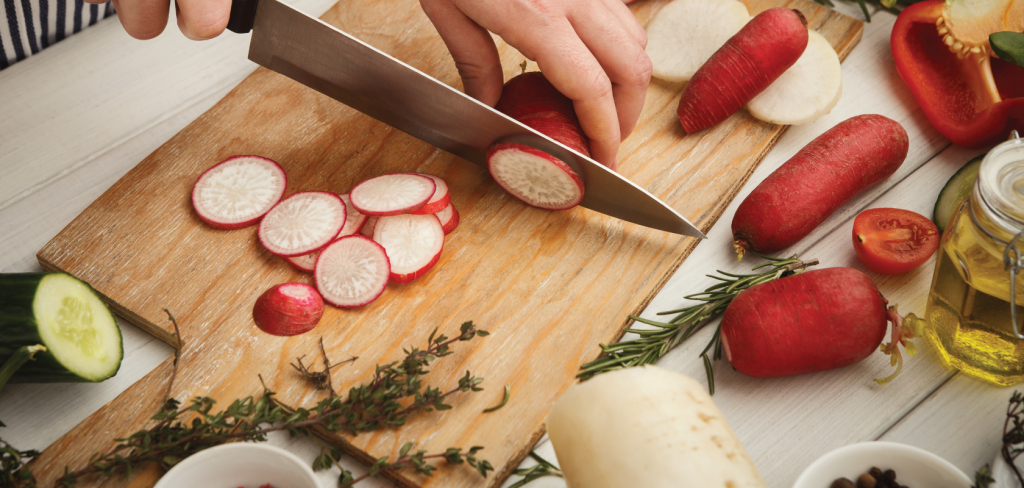
The culinary arts have long favoured male chefs, and in Asia, this has been no different. While women have spent thousands of years in the kitchen, developing and refining their regional cuisines, they are finally receiving some international recognition for their mastery at the helm of the continent’s top restaurants. Joining the ranks of Asian celebrities like Jackie Chan, Fan Bin Bing, Jack Ma or Manny Pacquiao is a new cadre of world-class chefs. Read on to discover the Top Asian Female Chefs and the innovations and delights which have put them on the culinary world map. May Chow in Hong Kong Asia’s Best Female Chef 2017 Having won accolades from chefs and industry experts across Asia, May Chow regularly tops the list of Asian chefs, female or otherwise. She is known for her Hong Kong restaurant, Little Bao, which celebrates sharing food and cultures. A self-taught chef born to Hong Kongese parents in Canada, she has been lauded for giving a fresh perspective to traditional cuisine. Chow is also known for using her platform to bring awareness to LGBT issues and championing women in professional kitchens. [showimage url1=”https://dth.stagingurls.com/wp-content/uploads/2018/10/MayChow01.jpg” url2=”https://dth.stagingurls.com/wp-content/uploads/2018/10/MayChow02.jpg”] Margarita Forés in the Philippines Asia’s Best Female Chef 2016 Born and bred in the Philippines, this Filipino chef is a self-taught master of Italian cuisine. With no formal culinary background, Forés spent four months training under three different Italian masters: Masha Innoscenti in Florence, Jo Bettoja in Rome and Ada Parasiliti in Milan. Under their tutelage, she developed her passion for and skills in Italian cuisine. Upon her return to the Philippines, she began her chef career at her own restaurant, Lusso. With no website or care for reviews, the unassuming restaurant has nevertheless earned much praise from foodies and industry insiders alike. If you get the chance to visit Lusso, be sure to sample the Shepherd’s Pie Braised Lamb, Salade d’ Agneau, Sans Rival Au Chocolat, Item, or Gnocco Prosciutto San Daniele for which they’re known. [showimage url1=”https://dth.stagingurls.com/wp-content/uploads/2018/10/MAgarita01.jpg” url2=”https://dth.stagingurls.com/wp-content/uploads/2018/10/MAgarita02.jpg”] Vicky Lau in Hong Kong Asia’s Best Female Chef 2015, 1 Michelin Star Rating Chef Lau tops the list for having earned a coveted Michelin star at her Hong Kong restaurant, the Tate Dining Room. A global citizen, Lau began her education in the United States but later in life returned to Hong Kong and then trained at Le Cordon Bleu in Bangkok, Thailand. After graduating, she trained under Chef Sebastien Lepinoy at Cépage in Hong Kong for nearly two years before launching her own restaurant. The Tate Dining Room opened in 2012 and earned its well-deserved Michelin star barely a year later. [showimage url1=”https://dth.stagingurls.com/wp-content/uploads/2018/10/VickyLau01.jpg” url2=”https://dth.stagingurls.com/wp-content/uploads/2018/10/VickyLau02.jpg”] Lanshu Chen in Taiwan Asia’s Best Female Chef 2014, Veuve Clicquot Best Female Chef, 2014 Awarded Asia’s Best Female Chef in 2014 and also celebrated by Veuve Clicquot in the same year, Chen began her career training at the Ferrandi School of Culinary Arts in Paris, France. She has worked in the kitchens of many renowned French restaurants, and is known for pushing boundaries while masterfully demonstrating culinary expertise. Now at the helm of her Taiwan restaurant, Le Mout, she has won accolades for bringing elevated French cuisine to her hometown. Should the Michelin Guide finally arrive in Taiwan, she is considered by many to be an obvious shoo-in. [showimage url1=”https://dth.stagingurls.com/wp-content/uploads/2018/10/LanshuChen02.jpg” url2=”https://dth.stagingurls.com/wp-content/uploads/2018/10/LanshuChen01.jpg”] Bo Songvisava in Thailand Asia’s Best Female Chef 2013 Songvisava may be the chef that finally convinced the Michelin Guide to come to Thailand. The first woman to receive the prestigious Asia’s Best Female Chef award in 2013, Songvisava has gained even more fame in recent years and has a profile in Netflix’s vaunted Chef’s Table series. With no formal training in the culinary arts, Songvisava got her first kitchen job at the Metropolitan Hotel in Bangkok and went on to master Thai cooking under chef David Thompson at his London-based Nahm restaurant. Now a culinary master in her own right, Songvisava has won acclaim for bringing about a renaissance in authentic Thai cuisine at her Bangkok restaurant, Bo.lan. [showimage url1=”https://dth.stagingurls.com/wp-content/uploads/2018/10/Bo01.jpg” url2=”https://dth.stagingurls.com/wp-content/uploads/2018/10/Bo02.jpg”]
5 of southeast Asia’s best street food centres
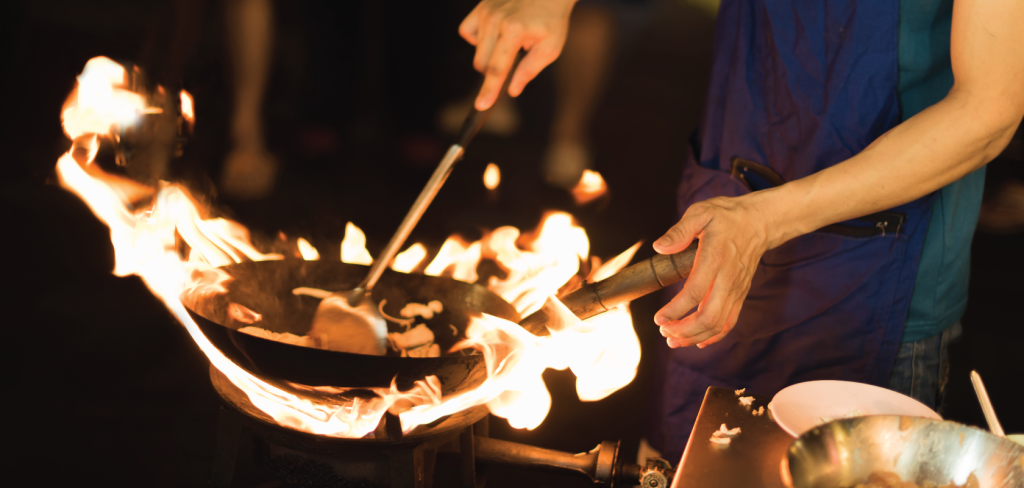
The cuisine of Southeast Asia is beloved worldwide and nowhere is the dining experience more authentic and lively than on the streets of these foodie destinations. For the true street food aficionado, these are the five streets you must eat at on your Southeast Asia trip. Smith Street, Singapore The cultural melting pot of Singapore is home to a rich variety of cuisines, and the city is famed for its Michelin-starred hawker stalls. One such lauded establishment has recently opened up shop in Chinatown, and you’ll now find Hong Kong Soya Sauce Chicken Rice and Noodle on Smith Street. Also known as Chinatown Food Street, this area is closed to traffic and crammed in between the colourful rows of shophouses are numerous restaurants and stalls selling Singapore favourites like Hainanese chicken-rice, char kway teow (stir-fried noodles), and popiah (fresh spring rolls). A glass canopy protects diners from Singapore’s frequent drizzles, so you can enjoy the best street food Singapore has to offer, rain or shine. Charoenkrung Road, Bangkok While there’s been a crackdown on street vendors of late, you’ll still find some of the best eats in Bangkok on Charoenkrung Road. At the end of the day, workers stream to the riverside street and head for their favourite stall, like Jok Prince which serves aromatic pork congee tinged with the smokiness of the lightly burnt rice from the bottom of the pan and topped with a century-egg. While these establishments may not look like much, many have been around for over 80 years, and with good reason as you can discover for yourself. Jalan Alor, Kuala Lumpur Visitors to Kuala Lumpur may be more familiar with the posh shopping found in this area, but not far from the malls of Bukit Bintang is Jalan Alor, a street where you’ll find the best hawker food in Malaysia. Home to dozens of stalls, the bounty of Malaysia’s many beloved street foods can all be sampled here. Try grilled satay (curried meat skewers), popiah (fresh spring rolls), fried jackfruit or oyster omelets as you wander in between the delicious-smelling chaos of the many stalls. On either side of the street, you’ll also find sit-down Chinese seafood restaurants with cheerful red lanterns strung between them. Something of a hidden gem, the area is hectic, with cars rolling down the road right next to diners and clattering, fiery woks ablaze everywhere you look. For those who like their experiences and their cuisine authentic though, it’s not to be missed. Tsim Sha Tsui, Hong Kong Hong Kong reflects the Cantonese obsession with food, and whether you’re in the mood for traditional snacks and sweets or to-go-style dim sum, you won’t be disappointed at what’s on offer in Tsim Sha Tsui. Unlike the rest of this list, Tsim Sha Tsui is a neighbourhood rather than just one a street. Many of the street food stalls awarded a Michelin star in the most recent guide can be found in this area, but tons more are scattered elsewhere in the city. In Tsim Sha Tsui, try Shanghainese jian bao (pan-fried buns) at Cheung Hing Kee or grilled seafood and offal at Fat Boy, and for dessert, don’t miss egg waffles from Mammy Pancake – these crispy-fluffy bites of heaven have begun their worldwide domination, but the best are still to be found in Hong Kong. Vinh Kanh Street, Ho Chi Minh City, Vietnam Ho Chi Minh City offers delicious food on practically every street corner, but one area stands out for its unbeatable atmosphere. Vinh Khanh in District 4 was once the stomping grounds of the infamous gangster Nam Cam, but these days you’ll be more likely to find raucous young hipsters drinking beer and enthusiastically bleating and blaring along to karaoke. What’s on the menu you ask? The seafood found on Vinh Kanh is what draws the crowds, with Oc Oanh being a firm favourite. They’re known for serving fried sea snails and grilled scallops in massive portions as well as gigantic crab claws coated in chilli. On Vinh Kanh you can also enjoy barbecue the local DIY way, grilling your own skewers on mini charcoal braziers at the table.
6 things you don’t know about Chinese food
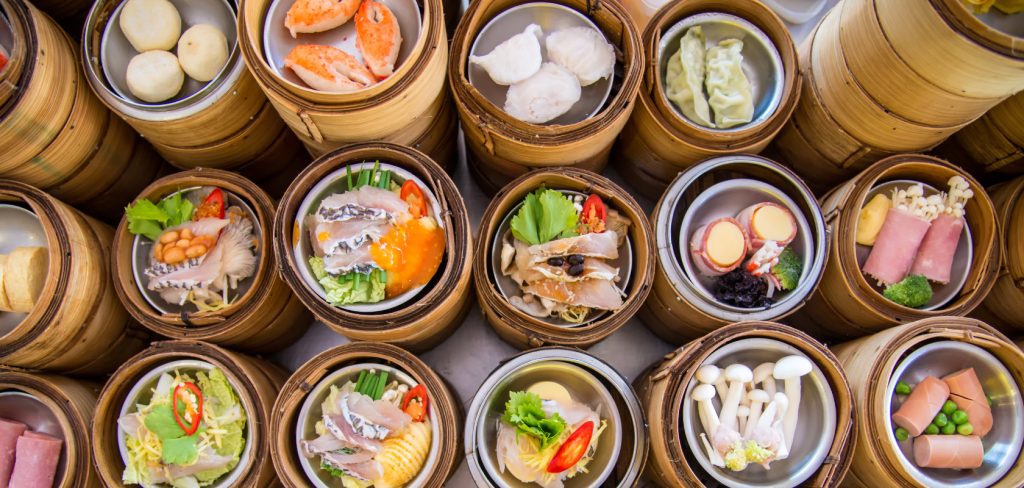
You may think you know Chinese food, but have you truly experienced it local-style? Beyond just the cuisine and dishes, there are some interesting things you should know about Chinese food and how it is served. Five Key Flavours Sweet, sour, salty, bitter, and spicy – these are the five key flavours that must be balanced in any dish according to traditional Chinese medicine. You’ll find some regional variation in the application of this philosophy though. Sichuan (or Szechuan) cuisine is known for mouth-numbing spiciness, while Hong Kongers have a love of sweet and savoury. In the north of China, the flavour profile tends to the salty, while in the south, several minority cuisines embrace the sour. Regional Variations While flavour profiles vary across the country, there are other elements which are also more or less common in different parts of China. In the cold, dry north, wheat is more widely cultivated than rice, so northerners eat lots of dumplings, wheat noodles, steamed buns and stuffed buns. In the south, rice or rice noodles feature in almost every meal, and southern Chinese also eat a far greater variety of fruits and vegetables. In the east, flavours tend to be sweeter and seasonings are lighter. In central China, spice and spiciness are beloved. In western China, where the population is largely Muslim, hearty halal food is favoured, and lamb is the main meat in many dishes. Everything’s Bite-Size for Easy Chopstick Eating The Chinese don’t eat with knives and forks, which are traditionally seen as violent or barbaric. Chopsticks are the utensil of the civilised, and as chopsticks don’t actually chop, all food is prepared to be very soft or cut up into bite-size pieces before cooking. The Same Thing Can Be Cooked a Dozen Ways Like Bubba’s shrimp in Forest Gump, there are almost infinite ways to cook Chinese dishes. For example, a fish could be steamed, boiled, stewed, quick-fried, stir-fried, deep-fried, roasted, sautéed, marinated in brine, pickled in vinegar, soy-sauced, or doused in sweet-and-sour sauce. Food is Superstitiously Symbolic In China, particular meanings are attached to foods based on their shape or colour, the sounds or spellings of their names, or the legends associated with them. Superstition and tradition dictate certain foods must be eaten for certain festivals and auspicious events to invoke a blessing, while others are to be avoided. For example, ingot-shaped dumplings signify wealth at New Year, and round mooncakes represent family reunions during the Mid-Autumn Festival. Dishes are Shared Family-Style Traditionally, the Chinese eat meals family-style, sharing dishes communally. When dining at home or in a restaurant, dishes are served in the middle of a table, and people sit with their individual rice bowls around it. It is not uncommon in restaurants, especially for tables seating 10 or 12, to have lazy-susan turntables to permit easy sharing among diners.
Asia’s most delicious culinary countries
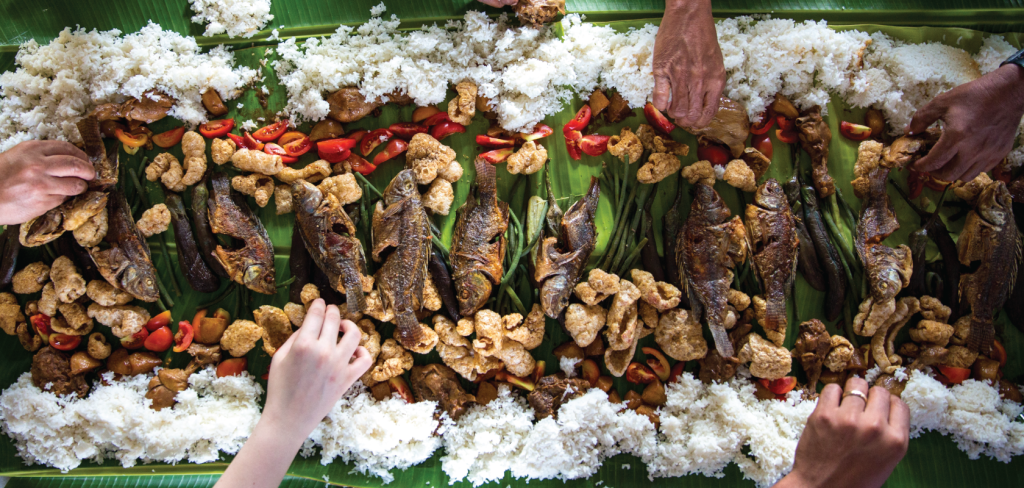
Heard about these Asian cuisines but not sure what the local experience is like? Here are our expert tips on the differences and similarities between food at these Asian destinations and what to order when you visit. Thailand It’s not uncommon for Thais to greet each other with the question, “have you eaten yet?” Such is the centrality of food to Thai life. With a cuisine that blends influences from China, Malaysia, Indonesia, Myanmar and more, Thai food packs a complex and flavourful punch, and what you’ll find locally is even better than what you may have tried at home thanks to fresh, local ingredients. While many cuisines have a distinct hallmark flavour, herb or spice blend, the beauty of Thai cuisine is in the symphony of flavours it creates. Every dish must combine some elements of spicy, sour, salty, sweet and bitter, and every good meal should offer a diverse combination of textures, a bit of crunch in one bite, something tender and then something slippery the next. Favourites like green curry, stir-fried chicken with cashews, or pad thai are ubiquitous in Thailand, available at stylish eateries or pocketbook-friendly street stalls. When in the Land of Smiles however, try the stuff you can’t get at home, like somtam (papaya salad), larb moo (minced pork dressed with lime juice, fish sauce, mint leaves, onions and chillies) or kor moo yang (grilled pork neck), which comes with an incredible dipping sauce. Contact us here for a tailor-made foodies’ tours. Philippines These tropical islands are blessed with an abundance of seafood as well as tropical fruits and vegetables. A melting pot of cultures, the Philippines’ history and heritage come to life in its cuisine, and Filipino cooks continue to push the envelope in the creative ways they combine tastes and traditions. Take, for instance, the ubiquitous adobo. While Mexican in origin, Filipino cooks have long embraced the practice of cooking meat in this flavourful combination of vinegar, soy sauce, salt, pepper, garlic and spices, not just because the result is delicious, but it’s also a practical way of preserving meats without refrigeration. While the cuisine throws in some curveballs which will shock the Western palate – like balut, a local delicacy of cooked duck embryo – certain favourites are near universal. Who can resist lechon, a whole spit-roasted pig with gleaming, crispy browned skin? Contact us here for a tailor-made foodies’ tours. [showimage url1=”https://dth.stagingurls.com/wp-content/uploads/2018/10/MOOPING-TH1.jpg” url2=”https://dth.stagingurls.com/wp-content/uploads/2018/10/ADOBO-PH1.jpg”] Malaysia This peninsula and archipelago nation shares borders, seas and culinary influences with the Chinese, Indians, Thais and Indonesians. Small wonder the local cuisine is so flavourful and diverse. In the Malay pantry, you’ll typically find chillies, spices, shrimp paste, coconut milk, soy sauce, lemongrass and pandan leaves. Whether these are then combined into a curried broth or tossed into a stir-fry, the result is savoury, often slightly sweet, and unmistakably delicious. Try rice-based nasi lemak, often referred to as the national dish, laksa (noodles served in a sweet, spicy broth), or mee goreng (stir-fried noodles) which will vary in flavour and ingredients depending on the part of Malaysia you try it in. You’ll also find the local version of foods that are also popular in Indonesian cuisine, like satay, rendang or sambal. See all Malaysia’s Foodies’ Tours right here. Hong Kong Hong Kong is home to some of the most food-obsessed people in the world, and whether your palate yearns for authentic Chinese flavours or experimental fusion foods, you won’t be disappointed. With a long history of migrations from the mainland, you’ll find every variation of Chinese cuisine executed to perfection in both lavish lounges and hawker stalls. When it comes to dim sum, the sheer diversity and number of such eateries is enough to knock your socks off, even before you’ve sampled your first delicious xiaolongbao or shumai dumpling. Be sure not to miss out on trying Cantonese-style duck or crispy and tender pork cutlets served over rice. Whatever the food mood you’re in, Hong Kong will be able to supply it; the city has it all and does it well. Contact us here for a tailor-made foodies’ tours. [showimage url1=”https://dth.stagingurls.com/wp-content/uploads/2018/10/NASILEMAK-MY.jpg” url2=”https://dth.stagingurls.com/wp-content/uploads/2018/10/SIAOLONGPAO-HK.jpg”] Vietnam The spectrum of Vietnamese cuisine is surprising for such a small country, and you’ll find that each region or town will often have its own take on a popular dish. While many ingredients are similar to those of Thai or Chinese cuisine, Vietnamese food is notable for its abundant use of fresh herbs and vegetables. Often avoiding oil and dairy, it’s a remarkably healthy cuisine, but that doesn’t mean it skimps on flavour. From rich broths, soups and congee to flavour-packed wraps and rolls, traditional Vietnamese chefs combine fragrance, taste, and colour to create balanced and delicious dishes. Local favourites include cha ca (fried fish cakes), pho (noodles served in a hot beef broth), bun bo hue (noodles in a spicy broth), and banh xeo (savoury pancakes) just to name a few. You’ll also find the French culinary influence in certain dishes, most notably banh mi, a single-serving baguette sandwich. The best place to try Vietnamese food won’t be at a fancy restaurant, but at the cheap and cheerful traditional open-air markets. See all Vietnam’s Foodies’ Tours right here or contact us for a tailor-made foodies’ tours.
northwest tour of Siem Reap by motorbike sidecar

Marvel at the remains of a pre-Angkorian temple, visit an active local pagoda and market for a taste of daily life, stop a renowned silk farm and more on this enticing excursion. After being picked up by a sidecar-bike at their hotel, guests ride northwest through Siem Reap to arrive at Svay Romiet Pagoda and the West Baray. Here they’ll ride along the water’s edge of the 11th century reservoir towards West Mebon and the 8th century ruins of Ak Yom Temple. The next stop is Artisans d’Angkor’s Silk Farm for a guided tour of the farm and production of silk. Afterward, a stop at Pouk Market offers a glimpse into the local life and community found on the outskirts of Siem Reap before riding back to the hotel through the countryside via Pouk Pagoda and Krabi Reil. Code: REPSTSVA This customisable tour can be specially designed to meet the guests’ particular interests, below are more options to explore Siem Reap…by sidecar! The Jewel Temples of King Jayavarman VII Guests embark on a memorable experience to discover some of Angkor’s smallest yet remarkable temple ruins. One of the stops along the journey will be Preah Khan, which translates to “Holy Sword” in Khmer. Located in the Angkor Archaeological Park and still largely unrestored, it shares similarities with the more famous Ta Prohm, covered in vegetation with trees seeming to swallow the ruins. Next, Kro Ko, which means “the shed of the oxen”, is a single tower monument with two enclosing walls built of laterite with an entry tower at the east and a moat with steps. There is a library built of laterite and sandstone opening to the west on the left of the interior courtyard. From there, the small and charming Neak Pean features a collection of five unique ponds with unique features. Some historians believe that it represents Anavatapta, a mythical lake in the Himalayas with waters thought to cure all illnesses, and was originally designed for medical purposes. The ancient Khmer believed that bathing in these pools would balance a person’s elements and cure diseases based on the Hindu belief of balance with four connected pools representing water, earth, fire and wind. Finally, the experience ends with a stop at Ta Som. Little is known about the purpose of Ta Som temple, but it may have been dedicated to the King’s father or one of his teachers. Ta Som was swallowed up by the jungle until the 1930s, when it was cleared out enough for visitors to access the site, but left in its mostly unrestored state. Ta Som depicts both Hindu and Buddhist icons, as the official Angkor religion switched back and forth over the centuries. Pearaing Wildlife Conservation and Bird Sanctuary After hopping in the sidecar, guests zip southwest out of Siem Reap toward Wat Pren Pagoda, passing through beautiful countryside and vibrant rice fields. Upon arrival at the Pearaing Wildlife Conservation and Bird Sanctuary, ride through the swamp forests before hopping on a small boat and taking a trip around the dam and famous Tonle Sap to view various species of birds and herds of water buffalo. During the relaxing 4.5-hour journey, visitors also learn how the local community is working to preserve the local environment. Learn more about these unique sidecar getaways by contacting dt_cambodia@kh.diethelmtravel.com.
interline agreement between MNA and JAL

Myanmar National Airlines (UB), a state-owned airline and the flag carrier of Myanmar, provides comprehensive flight service to multiple destinations. To expand their connecting route network, MNA has signed bilateral interline agreements with Japan Airlines (JAL). Certain routes served by JAL will now be accessible from within the MNA Reservation System. Tickets can be issued by UB combining flights with segments served by JAL. Passengers flying these routes are also able to have their baggage checked-through.
visa on arrival service and visa-free entry now available for certain Asian passport holders
As of 1 October 2018, Visa on Arrival service will be available for visitors from the People’s Republic of China, who are eligible to apply for tourist visas at immigration checkpoints. The tourist visa costs USD 50, is applicable for those on package tours only and valid for 30 days. Visa-Free entry will be allowed for visitors from Japan and South Korea, Hong Kong and Macao SAR. The government of Myanmar is easing visa requirements in an effort to encourage more Asian tourists to visit the country. At the recent World Tourism Day Event in Nay Pyi Taw on 27 September, the Vice President HE Henry Van Thio made a remark and expressed that the easier visa facilitation would also be considered for the visitors from European countries, Americas and Canada. The government of Myanmar is fully aware of the fact that the visitors from the western countries would definitely contribute the economy of Myanmar and it has a plan to ease the visa procurement of the guests from those countries in the near future.
The Top 5 Souvenirs to Buy in Cambodia
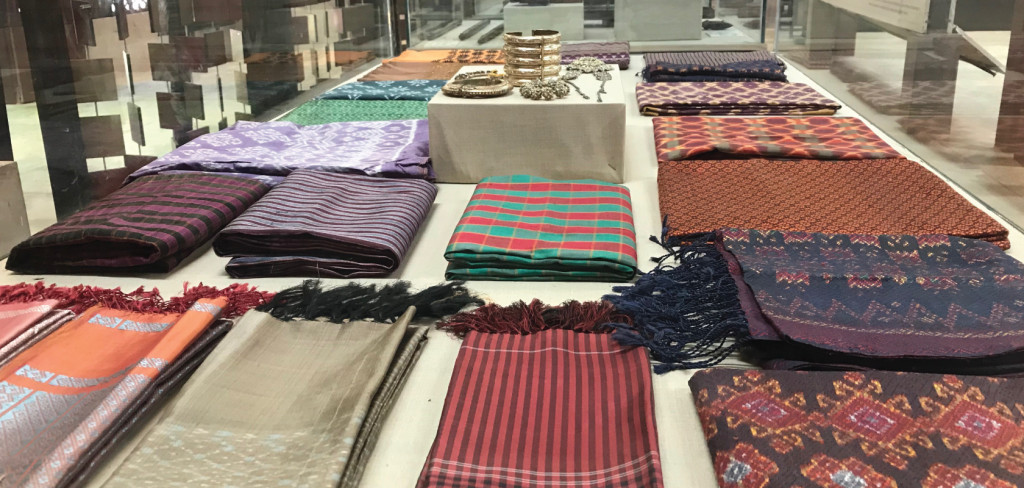
Cambodian handicrafts have been given a boost thanks to various local and NGO initiatives set up to support Cambodia’s disabled population and other disadvantaged members of society, providing a new source of income by training them in traditional crafts. When shopping in Cambodia, local markets are often the best place to hunt for deals; however, while specialist shops, boutiques and galleries are usually more expensive, they often offer higher quality. Here’s what to look for… Krama An iconic symbol of Cambodia, the ever-present krama, a traditional red-and-white-checked scarf, is used for everything from a bandana to a makeshift baby carrier or hammock. Now coming in a variety of colours and fabrics, you can find them for sale throughout the country. Cambodian Silk Native to Cambodia, golden silk is known for its incredibly high quality and super soft feel. Created from the silk strands of golden silkworms, this special silk is now making a comeback thanks to Artisans Angkor working to reestablish Cambodian silk to its former glory. Kampot Pepper It is said that Kampot pepper is some of the best in the world so why not get some at the source? Grown in Kampot province, the pepper comes in black, green, red and white varieties and even boasts Geographical Indicator (GI) status. The intensely-flavoured pepper can be found for sale throughout the country even if you don’t make it to Kampot province. Rice Wine with a Snake Inside When in Cambodia, drink what the Khmer drink! Locally-made strong rice wine is further infused thanks to the addition of a snake which is thought to boost virility and have a reinvigorating effect on the drinker. Carvings Cambodia has long been known for its ancient carving traditions – just think of the incredible carvings found at Angkor Wat. Nowadays you can find a range of carved home décor, furniture and more carefully crafted from wood or stone by expert artisans to take back home.