Give and Take: Supporting Sap Langka Wildlife Sanctuary
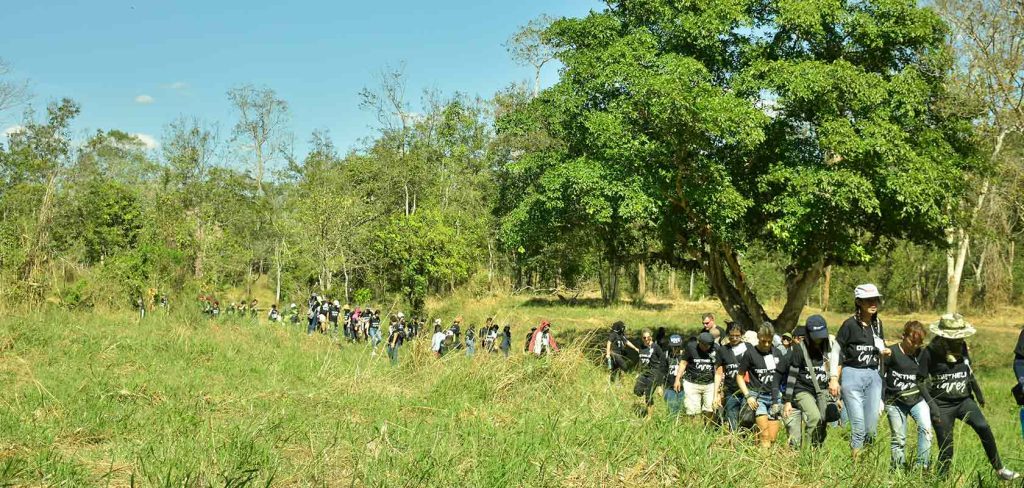
Story by: Thitirat Benedyk, Learning & Development Manager Give and Take: Supporting Sap Langka Wildlife Sanctuary As proponents of offsetting the tourism industry’s negative impact on the environment, we at Diethelm Travel Group work hard to leave a minimal footprint on our natural surroundings. We have a deep respect for our incredibly diverse natural world and earth’s abundant resources and, with this respect, there comes an obligation to replenish the nature that nourishes the soul. Sap Langka Wildlife Sanctuary: A Vital Forest in Central Thailand The sprawling and lush Sap Langka Wildlife Sanctuary, which covers several provinces, is vital to the survival of many types of wildlife, particularly during rainy season when flash floods are all too common. Thanks to the sanctuary, which absorbs much of the season’s excess rainwater, many neighbouring areas are protected and lives are saved. In order to support the sanctuary’s important role as protector, planting trees to counter deforestation and its negative effects is essential. Not only have we made great strides in doing so, but we have also built sturdy weirs as further barriers to devastation. [showimage url1=”https://dth.stagingurls.com/wp-content/uploads/2017/02/Blog_TH_CSR_Februry2017_Sup-Langka_Outing_Team-Building.jpg” url2=”https://dth.stagingurls.com/wp-content/uploads/2017/02/Blog_TH_CSR_Februry2017_Sup-Langka_Outing_Team-Building_02.jpg”] Corporate Social Responsibility at Diethelm Travel Until November 2016, many of our staff members were not familiar with the words Sap-lanka or weirs, which are barriers used across rivers to help manage the flow of the river. That all changed when the Diethelm Joy Team, those who are responsible for staff retreats and activities, decided to approach the upcoming annual staff party differently than previous years. It wouldn’t just be about celebrating our achievements for the year but, more importantly, somehow giving back to the world that has thanklessly nurtured our success. After the Diethelm Joy Team asked the staff how they wanted to embark on the exciting path of Corporate Social Responsibility, nearly 70% voted to go on a two-day / one-night weir building retreat in the Sap Langka Wildlife Sanctuary. Just like that, we were ready, willing and able to join forces and take action on a Journey of a Lifetime during the weekend of January 21-22. (Team) Building Weirs The much anticipated weir-building weekend finally came! When we arrived at the Sap Langka Wildlife Sanctuary late-morning, its resident officers and their partners graciously welcomed us with a lovely and delicious lunch. After the hearty meal, ten impressive E-tak trucks brought all 120 Diethelm staff deep inside the forest to build the weirs. En route and quite unexpectedly, one of the officers stopped our caravan to allow for a herd of elephants to pass by. Once the beautiful animals passed, we continued on our path into the forest. After 30 minutes, we finally reached our destination and split into two groups, each with the responsibility to build a weir. And, what better way to get the job done quickly than to make it a race! Completely focused to complete the weirs, we had to put rocks into the empty spaces between bamboo sticks. In just about 45 minutes, one of the groups began to cheer as they had completed their task. But, this marked just one stepping stone to overall success as Chief Praphan urged us to work together with a shared goal. Thus, teamwork became priority as we lined up to pass much-needed and quite heavy stones to the unfinished weir at the bamboo bridge. At the end of the day, not only did we build two weirs, which will surely help combat the devastation of flash flooding, but we did so as one team with a shared goal for the common good. A round of applause goes out to the officers and soldiers who helped prepare the materials and the entire staff for working so hard! [showimage url1=”https://dth.stagingurls.com/wp-content/uploads/2017/01/Add-images-CSR.jpg” url2=”https://dth.stagingurls.com/wp-content/uploads/2017/01/Add-images-CSR2.jpg”] The Soldier Survival Guide After a fun-filled day building weirs, we finally made it back to the main hall for a lesson from experienced paratroopers on surviving in the forest. Beyond enlightening, it included tips on dealing with snakes, finding water from plants, making fires and cooking using only natural resources. And, that just scratched the surface of the skills needed to survive! Before heading off to dinner, our bond grew deeper as we lit candles and sang songs to pay our respect on the 100-day anniversary of King Bhumibol Adulyadej’s passing. We Did It! Energised by our accomplishments yet humbled by our songs, we got ourselves refreshed and made our way to the hall for a scrumptious feast. Besides amazing food, we participated in a costume contest and talent contest aptly called, Diethelm’s Got Talent, in which winners got special prizes. Almost everyone got swept up in the festivities, dancing and singing, and having a blast. From the moment we arrived to the Sap Langka Wildlife Sanctuary to the celebratory end, we’ve surely been left with so many good memories. And, it is for this and for how proud we feel of our accomplishments, that we thank management for making it all happen.
travelling to the Moc Chau Plateau: where to stay & what to do
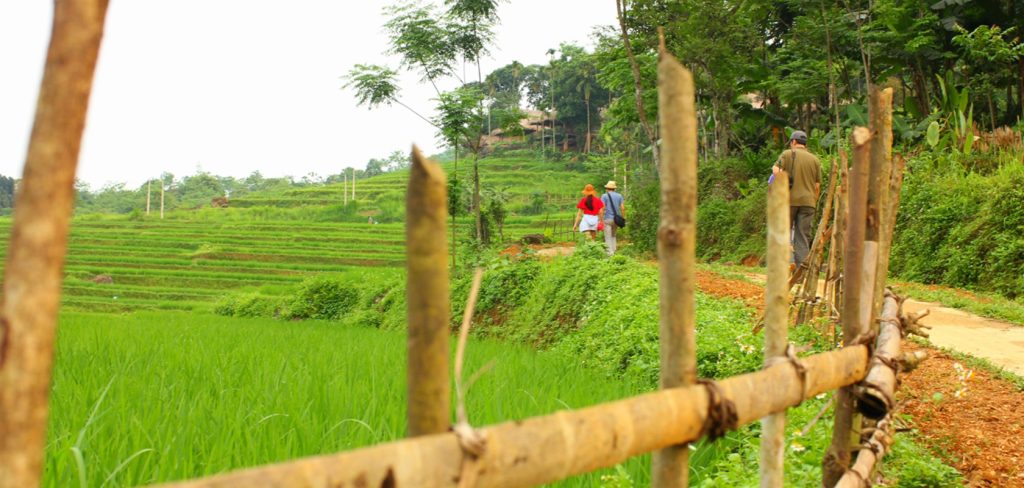
Travelling to the Moc Chau Plateau: Where to Stay & What to Do Thanks to its pleasant climate all year round (with temperatures averaging 22-28°C), natural beauty and as home to several Hmong ethnic minority groups, Vietnam’s Moc Chau Plateau is a vibrant world of colour and culture. Getting to Moc Chau Moc Chau Plateau is in Moc Chau District, Son La Province, about 200 kilometres northwest of Hanoi. Located 1,050 metres above sea level, Moc Chau is a step with green tea hills, the largest and most beautiful fields in the North’s mountainous areas. Here tourists enjoy exploring ecotourism destinations, agricultural areas such as tea plantations, dairy farms and strawberry farms, and ethnic villages known for their traditional food and festivals. There are many ways to travel to Moc Chau plateau, however the best way is travel by car or motorbike. Take the National Highway No. 6 out of Hanoi. From Xuan Mai through Luong Son to Hoa Binh, the road is in quite good condition. International tourism routes will also be established in the next two years, such as Moc Chau to Laos via the Long Sap border gate, which is also expected to connect local tourism destinations with countries such as Thailand and Myanmar. [showimage url1=”https://dth.stagingurls.com/wp-content/uploads/2016/09/VN_Blog_Travelling-the-Moc-Chau-Plateau-Where-to-Stay-What-to-Do01.jpg” url2=”https://dth.stagingurls.com/wp-content/uploads/2016/09/VN_Blog_Travelling-the-Moc-Chau-Plateau-Where-to-Stay-What-to-Do02.jpg”] What to do in Moc Chau A tourism zone spanning Moc Chau and Van Ho districts covers 206,150 ha and encourages tourism development in the province and nearby areas. The zone is bordered to the east by Hoa Binh province, to the west and northwest by Yen Chau district in Son La, to the south by Thanh Hoa province and Laos, and to the north by Phu Yen district in Son La. The tourism zone has three keys areas, The Moc Chau Resort, the Moc Chau Ecotourism Centre and the Moc Chau Entertainment Centre, and is known for a numbers of attractions the pine forests in Ban Ang village, Dai Yem Waterfall, caves in Ban On village, the Po Cop ecotourism destination and Xuan Nha ecological forest. Tourists also flock to the northern upland province of Son La to admire the greenery of the region’s impressive tea plantations and witness the local people picking tea leaves and buds. The plateau is also known for vibrant festivals of the local Hmong tribes. The two most important holidays of the year are the traditional New Year and Hmong Independent Tet. Though Moc Chau is not too far from Hanoi, it needs a minimum of two days to thoroughly enjoy the plateau, especially keeping in mind the abundance of tours to choose from. Join a set departure tour to visit the Hmong Independent Tet Festival or add an adrenaline-inducing adventure rafting excursion on Ma River to your itinerary. Cycling adventures are also an excellent way to explore the hilly, scenic region. Where to Stay – Accommodation in Moc Chau Moc Chau offers various accommodation options for visitors these days. Hua Tat Homestay is a new homestay option in Moc Chau that is easy to access. Hua Tat is a small village of Blue H’mong, only five minutes from Road 6 but still a charming, quiet place. The homestay is authentic and beautiful, run by a happy young H’mong couple, Chu and Xu. In addition to homestays and hotels, tourists can check in to bungalows made of old shipping containers in Moc Chau Arena Village, which is around five kilometres from the centre of Moc Chau Town. The unique bungalows lie in the middle of vast green tea farms. With big glass windows, the bungalows are perfect places for visitors to enjoy striking views of the plantations, especially in the early morning. By 2020 Moc Chau is set to attract one or two luxury hotels of at least a 4-star standard. Muong Thanh Luxury Moc Chau is the first 4-star hotel in Moc Chau and has opened in June 2016 with 169 rooms catering to 350 guests. For more information, click to learn more about Diethelm Travel Vietnam’s experiencing Hmong independent Tet on Moc Chau Plateau or contact us for full itinerary here.
hidden highlights from a Myanmar road experience
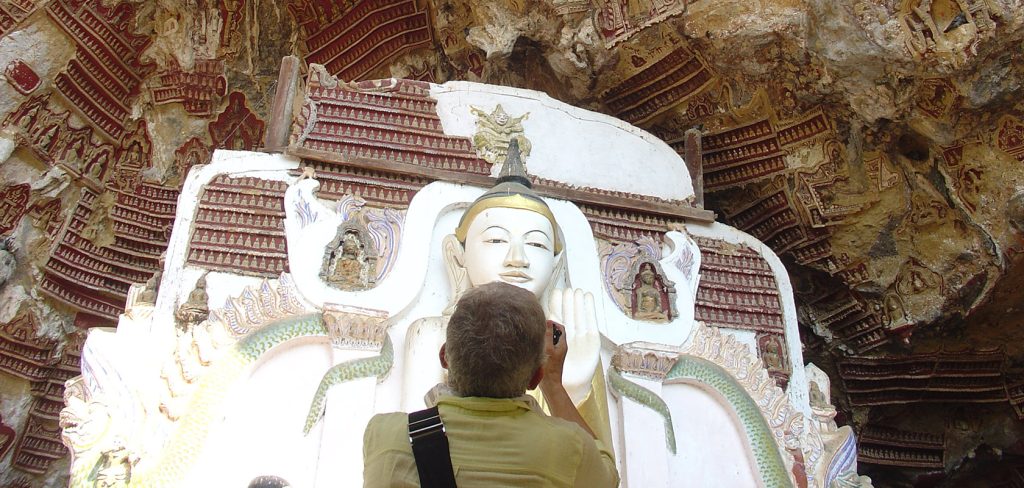
Though Mandalay, Yangon, Bagan and Inle Lake are well established on the traveller circuit, the rest of Myanmar is largely left unexplored. One of the best ways to discover Myanmar’s small villages and unique cultural sites is by car. Due to restrictions, particular permits and guides are needed to traverse the country on four wheels but with a specialised Diethelm itinerary your journey will go smoothly. Here Mr. Min Thu, Senior Sales Staff at Diethelm Travel Myanmar, shares some of the hidden highlights during a recent off-the-beaten path excursion. Leaving Myawaddy, we took a new road over the Dawna Mountains to the junction of the old road and Kawkareik town then on to Hpa An. Hpa An may be a fairly new destination in Myanmar but has some of the country’s best sites to visit combined with beautiful scenery along the Salween River. What to do in Hpa An Stop at Kawh Goon Cave with an incredible entrance covered with hundreds of small terracotta tablets plastered up to the ceiling. Enjoy a late afternoon bicycle ride around Ein Du Kayin Village where the distinct Kayin dress is woven. Make the 2-hour hike up the massive stairway on Zwekapin Mountain. Go early to catch the daily monkey feeding event around 11:00 a.m. The following morning we travelled to Kyaikhto to see the famous Golden Rock, one of the most revered pilgrimage sites for Myanmar Buddhists. The gold leaf-covered boulder is said to maintain its balance thanks to a single hair of the Buddha being enshrined inside the pagoda. [showimage url1=”https://dth.stagingurls.com/wp-content/uploads/2016/09/MM_Blog_Hidden-Highlights-from-Myanmar-Road-Experience01.jpg” url2=”https://dth.stagingurls.com/wp-content/uploads/2016/09/MM_Blog_Hidden-Highlights-from-Myanmar-Road-Experience.jpg”] What to do in Kyaikhto Make the 13-kilometre trek, which takes around 7 hours, from the valley floor up to the Golden Rock. From the upper area just underneath the rock, walk the final stage (about 4 kilometres or 45 minutes) up steep paths or choose to be carried in sedan chairs by four porters. From the pagoda one can observe the devout in prayer or applying gold leaf to the boulder, and enjoy a spectacular view of the valley below. The whole site has a magical charisma. Next up was Pyay, one of the country’s many ancient capitals where there are a number of interesting sites and attractions in the town and surrounding areas. [showimage url1=”https://dth.stagingurls.com/wp-content/uploads/2016/09/MM_Blog_Hidden-Highlights-from-Myanmar-Road-Experience04.jpg” url2=”https://dth.stagingurls.com/wp-content/uploads/2016/09/MM_Blog_Hidden-Highlights-from-Myanmar-Road-Experience03.jpg”] What to do in Pyay Visit the Shwemyatman Pagoda which is home to a most unusual Buddha image – one who wears gold-rimmed spectacles. Visible somewhat further away is the 5th century, 46-metre tall Bawbawgyi Pagoda, shaped like a bell jar, and the best example of this architectural style. From the outskirts of Pyay, cross the new bridge to Htone Bo village and continue by local private boat to Akaut Taung, overlooking the Ayeyarwaddy River. Here hundreds of niches in the cliff face are home to Buddha images of all shapes and sizes, many of which have been carved out of the rock face. Nearby, lies the ancient Pyu Kingdom of Sri Ksetra, a UNESCO World Heritage Site that pre-dates the Bagan period and is said to have arisen in the first millennium. Take a bullock cart to the tiny museum which houses artefacts unearthed in Sri Ksetra, then continue on to the two huge conical stupas, Payagyi and Payama, which you can view from a distance. From Pyay, we head to Monywa, a city on the eastern bank of the Chindwin River in Myanmar’s Sagaing Region. [showimage url1=”https://dth.stagingurls.com/wp-content/uploads/2016/09/MM_Blog_Hidden-Highlights-from-Myanmar-Road-Experience05.jpg” url2=”https://dth.stagingurls.com/wp-content/uploads/2016/09/MM_Blog_Hidden-Highlights-from-Myanmar-Road-Experience06.jpg”] What to do in Monywa Pay your respects to the Thanboddhay Pagoda about 20 kilometres from Monywa. The richly decorated central stupa has 845 smaller stupas around it while inside the pagoda compound are thousands of Buddha images (reportedly over 500,000) decorating every niche, wall and archway. Stop by Pakkoku, an unspoilt small town famous for its tobacco trade and weaving workshops, to see how the iconic Myanmar checked cotton blankets are made. Visit the local market and various workshops where townspeople make and sell cheroot, thanaka (the traditional makeup and sunscreen used by Myanmar people), traditional slippers and incredible woodcarvings. Leaving Monywa, we made our way toward Kalaymyo, district headquarters of the Kalay district. Kalay has gained importance with trans-border movement between Burma and India and even has a small airport located in the city centre. What to do in Kalaymyo Make sure to visit the Caves of Po Win Daung, a sandstone cave system in the Po Win Hills named after a famous zawgyi (alchemist) who once lived here. Here more than 100 caves are filled with Buddhist statues and murals mainly in the 14th – 16th century Ava (Innwa) style. Don’t miss Shwe Ba Daung, which features unique pavilions cut from the surrounding sandstone and filled with Buddha images. Notice the hundreds of churches around. Kalaymyo and the surrounding township are made up of 55% Buddhists and 40% Christians with the remaining 5% of the population following other religious practices. The district has around 100 Buddhist monasteries but more than 508 churches – in fact, some of smaller villages have more churches than shops! Marvel at the early morning market. Starting at 4:00 a.m. local wholesalers prepare their goods to be sold to local merchants who will then go out into the villages where shops or markets do not exist. The buyers pile their motorbikes high with items to drive from house to house selling their wares. At the street market, vendors use candles or LED lamps to light their stalls since they’re located right on the street. Around 5:30 a.m. everyone closes down as the rest of the town wakes up and normal shops start to open. Try the one dish available at Chin Yoe Yar – a tasty corn soup with egg and dried meat that’s surprisingly While Myanmar’s famous sights such as the ancient temples of Bagan are an important part of any Myanmar itinerary – particularly if it’s your first visit to the Land of Golden Pagodas – there’s so much
Introducing Pu Luong: Northern Vietnam Off-the-Beaten-Track
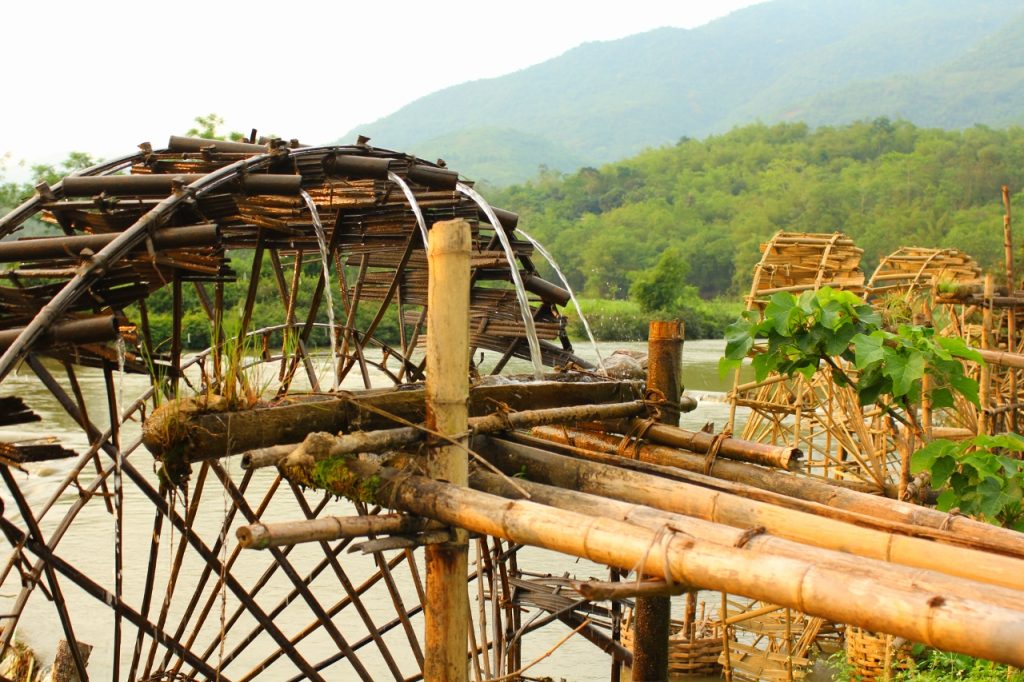
Ms. Nguyen Thi Hue, Marketing Business Leader from Diethelm Travel Vietnam shares how a new tourist region in Northern Vietnam is offering once in a lifetime opportunities for outdoor adventures and diving deep into local life. The western mountainous area of Thanh Hoa Province with Pu Luong Natural Reserve at its core has long been known for having great potential for developing community-based eco tours. However, due to limited road accessibility, the area has remained well off-the-beaten-track for most international travellers. Just recently, the chance for development in the area has opened up with new roads connecting the region with neighbouring tourist hubs and outside investments have helped improved homestay standards and support new eco lodges. Three of us went to discover the delights of Pu Luong that we had heard so much about and, having driven on the scenic roads and hiked along mountain paths, we can sincerely say Pu Luong encompasses all the highlights of Northern Vietnam in one place. Here you can find the counterparts of Sapa’s magnificent mountain ranges, Mu Cang Chai’s stunning rice terrace fields, Cao Bang Provinces’ scenic rivers and waterfalls, and Mai Chau’s remote traditional, ethnic villages all in the same region. [showimage url1=”https://dth.stagingurls.com/wp-content/uploads/2016/08/20160430_203851-2-1280×853-1.jpg” url2=”https://dth.stagingurls.com/wp-content/uploads/2016/08/20160430_215519-2-1280×853-1.jpg”] Visiting Pu Luong On Day 1, we departed from Hanoi and arrived at Pu Luong at noon. In the afternoon, we went for a walk passing traditional water wheels and then rafted down the charming waters. That night, we stayed at a homestay in Don Village with an incredibly hospitable and knowledgeable host family. Their traditional stilt house accommodated up to 15 guests and was equipped with electric fans, mattresses, pillows, blankets and mosquito nets. A western-style toilet with a hot shower was built separately from the main house and meals could be ordered with the host. We enjoyed a quick swim at a nearby waterfall before being spoilt with a delicious dinner cooked by Mr. Ban’s wife. All of us ate together including the host family. We drank some rice wine and chatted the night away like old buddies, enjoying each other’s company. In Hanoi this probably wouldn’t have happened, there are too many pressures and rigid social structures at work, but here in the rural countryside, language, nationality and social groupings were no longer a barrier. Waking up the morning of Day 2 to the sound of the cows and chickens, we had banana pancakes and hot tea before taking an enthralling trekking route of 4 km through villages and past rice paddies, friendly school children, water buffalo, people working on the fields, water wheels and much more. We were picked up by car and driven back to the lodge for lunch then departed to Hanoi for the night. For me personally, it felt like I travelled through time. We were not only spoilt with beautiful untouched nature – mountains, rice paddies, clear waterfalls and endless butterflies – but also by the hospitality from the local people. We loved how we were able to stay with local families, eat together, converse and simply experience how they live. The diversity of activities easily allows for a minimum stay of two days or even four or more days to combine the above mentioned activities with an extended adventure on to either end to Mai Chau, Ninh Binh or the coastal districts of Thanh Hoa Province. Guests can conveniently connect with other tourist hubs such as Ninh Binh, Mai Chua, Sam Son Beach, Hanoi, further north or even crossing the border with Laos at Nam Can border gate. [showimage url1=”https://dth.stagingurls.com/wp-content/uploads/2016/08/20160430_204558-2-1280×853-1.jpg” url2=”https://dth.stagingurls.com/wp-content/uploads/2016/08/20160430_220704-2-1280×853-1.jpg”] Accommodation in Pu Luong Pu Luong Retreat is the first of its kind in this area having just been put into operation by a group of tourism professionals. The welcoming resort features nine comfortable bungalows with stunning panoramic views of a lush green valley and a traditional stilt house dorm, while an infinity pool lies within reach of the terraced rice fields and a hidden spa overlooks a charming fishpond and rock garden. Located in the heart of Pu Luong next to the national road No. 15C, which runs through the area connecting Mai Chau on one end to Ninh Binh on the other, the lodge is an excellent base from where one can launch daily tours with such interesting activities as hiking through terraced rice fields, bamboo rafting past the waterwheels on the Cham River or kayaking on the hidden Nua River, and cycling along thrilling bike trails. Besides the new lodge, the area has a number of homestays which can be found in Don Village (about 500 m from the lodge) or in Huou and Kho Muong Villages. [showimage url1=”https://dth.stagingurls.com/wp-content/uploads/2016/08/Web-Preview-Image-W-650-x-H-320-px.jpg” url2=”https://dth.stagingurls.com/wp-content/uploads/2016/08/20160502_220330-1280×853-1-1.jpg”] Getting to Pu Luong Pu Luong area can now be accessed by three roads coming in from different directions. The easiest way to reach the region is to drive from Hanoi following the Ho Chi Minh Road to Cam Thuy, Thanh Hoa then turn right on the National Road No. 217 through Canh Nang (the district town of Ba Thuoc District) and turn left to the National Road No. 15C at Lang Tom. Another way is to take the National Road No. 15C from Mai Chau with a scenic drive of total 180 km. A more adventurous, but rewarding way with breathtaking scenery, is to take the newly built road through Son Ba Muoi. Drive from Hanoi to Tan Lac, Hoa Binh Province following the National Road No. 6 to Lung Van, a very beautiful area with a mild climate that’s locally dubbed as the “Sapa of Hoa Binh”. We came back from Pu Luong with such fantastic memories and found it a magical place in the mountains where time seems to have almost stood still. If you’re looking for an adventure in unspoilt landscapes where farming is still carried out in the traditional ways and cars are uncommon, Pu Luong is definitely the place to be! For more information on Diethelm
what’s hot in Hoi An – a vespa scooter tour
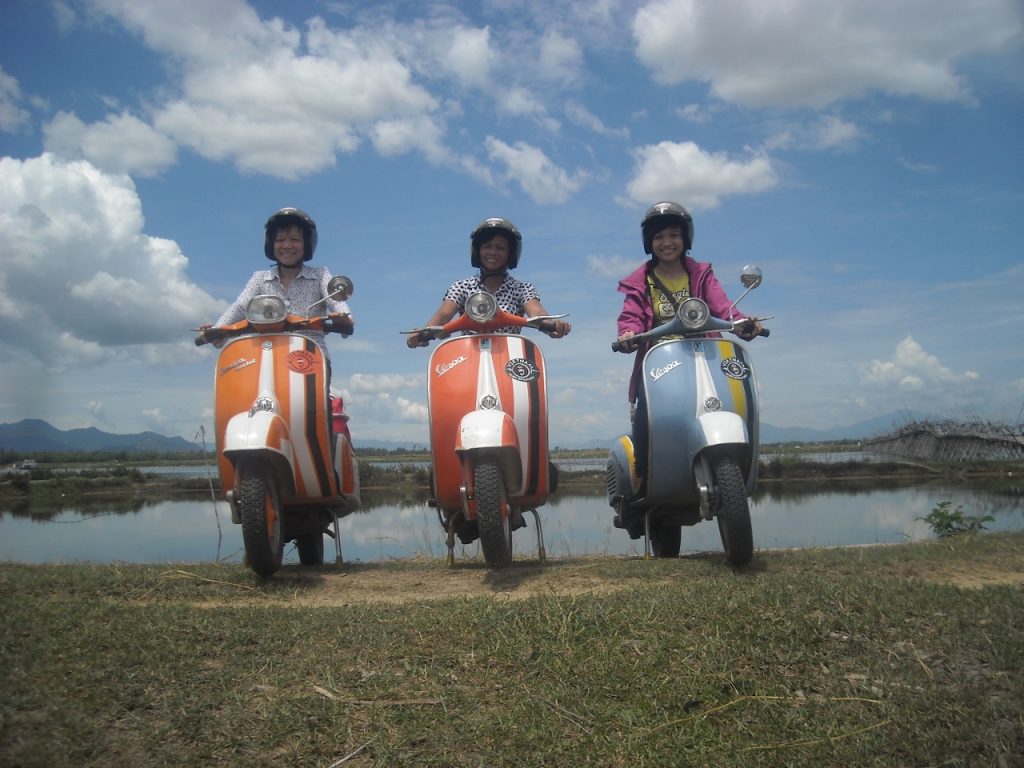
heading to Hoi An Hoi An has long been a hotspot for tourists who flock to the charming town for its historic architecture, delicious cuisine and numerous tailor shops. Hoi An is more than just its famous white rose dumplings and handmade dresses however, as Luu Thi Ngoc Anh , senior sales staff of Diethelm Travel Veitnam, discovered while taking a unique tour in Hoi An. A major Southeast Asian trading centre during the 16th century, Hoi An is home to a unique blend of Vietnamese, Chinese and Japanese cultures resulting in a charming atmosphere filled with distinctive architecture – with low, tiled-roof houses and narrow streets, the original structure of some of these streets is still virtually intact. I fell in love with the gem of a town’s small alleys, souvenir shops, local cafes, street food stalls and more during my first visit in May 2012, however my latest trip to Hoi An was my most memorable and exciting as my family and I had a chance to discover Hoi An in an alternative way – on the back of Vespa scooters! [showimage url1=”https://dth.stagingurls.com/wp-content/uploads/2016/06/C360_2014-09-12-10-49-05-007-1280×770-1.jpg” url2=”https://dth.stagingurls.com/wp-content/uploads/2016/06/IMG_20140912_114235-1280×960-1.jpg”] a vespa tour in Hoi An Forgetting all about convenient transfers by air-conditioned vehicles or visiting touristic attractions the UNESCO World Heritage Centre is known for, we experienced an authentic, local Hoi An few tourists are aware of. To kick off the tour, we got on a local ferry crossing the river to Cam Kim Island. Here we had the opportunity to take a short talk with local people who were farmers, boat builders, fishermen, housewives and little kids. They were friendly, smiley and easy going. Since many couldn’t speak foreign languages, it was the perfect chance to learn and practise some Vietnamese words with them. Getting off the ferry, our Vespa guides drove us to the first stop of the tour at a traditional boat-building yard where we were introduced to the process of building a fishing boat manually – it can take months to complete one boat! Saying goodbye to the boat builders, we set off to explore the sleepy island villages, surrounded by idyllic scenes of rice paddies and farmland, and enjoyed the cooling breeze. [showimage url1=”https://dth.stagingurls.com/wp-content/uploads/2016/06/C360_2014-09-12-08-53-54-677-1280×770-1.jpg” url2=”https://dth.stagingurls.com/wp-content/uploads/2016/06/C360_2014-09-12-09-08-46-489-1280×770-1.jpg”] The next part of the trip included the most interesting activities. We learned from friendly local families the art of mat weaving and how to make (and eat) the perfect banh dap rice crackers. The feeling of successfully learning how to weave the mat correctly and make the thin, fragile rice crackers was fantastic! Coming from big and modern cities like Hanoi or Ho Chi Minh City, it is rare for us to see, hear and smell rural life in such a truly authentic way, so taking part in local traditions in their original environment was an incredible experience. I left feeling thankful for the opportunity and to be able to support the local families who are still trying their best to protect and preserve their traditional work, although they cannot gain much profit from their finished products. [showimage url1=”https://dth.stagingurls.com/wp-content/uploads/2016/06/C360_2014-09-12-09-20-56-977-1280×770-1.jpg” url2=”https://dth.stagingurls.com/wp-content/uploads/2016/06/C360_2014-09-12-09-51-18-096-1280×770-1.jpg”] After snacking on rice crackers, we visited a local café to fuel up on local drip coffee. At this café there were no tourists, just residents talking to each other about their farming, fishing and so on. Next, we geared up for an adrenalin-inducing bamboo bridge river crossing. Completely made of bamboo, the bridge was privately built by local residents to help people cross the river and solid and safe enough for Vespa scooters to pass by. After that, we drove along roads lined with casuarina pines and cashew nut trees heading back to Hoi An town. We crossed over the new bridge which offers spectacular panoramic views of Hoi An to the coconut palm-fringed Cam Thanh. The final stop of the trip was a sensational seafood lunch on Ha My Beach, one of the nicest and less touristic beaches in central Vietnam. Remember to bring your swimming suit, sunglasses, sun cream, etc. to prepare yourself for outdoor activities such as beach volleyball and swimming. I have been to Hoi An three times and each time I learned new things, experienced unique activities – like the Vespa tour in Hoi An – and discovered different aspects of the little town that just keeps me going back for more! To learn more about the Hoi An Vespa Tour or other tours in Hoi An, please visit our Vietnam Page
sightseeing in Sarawak – the land of the hornbills!
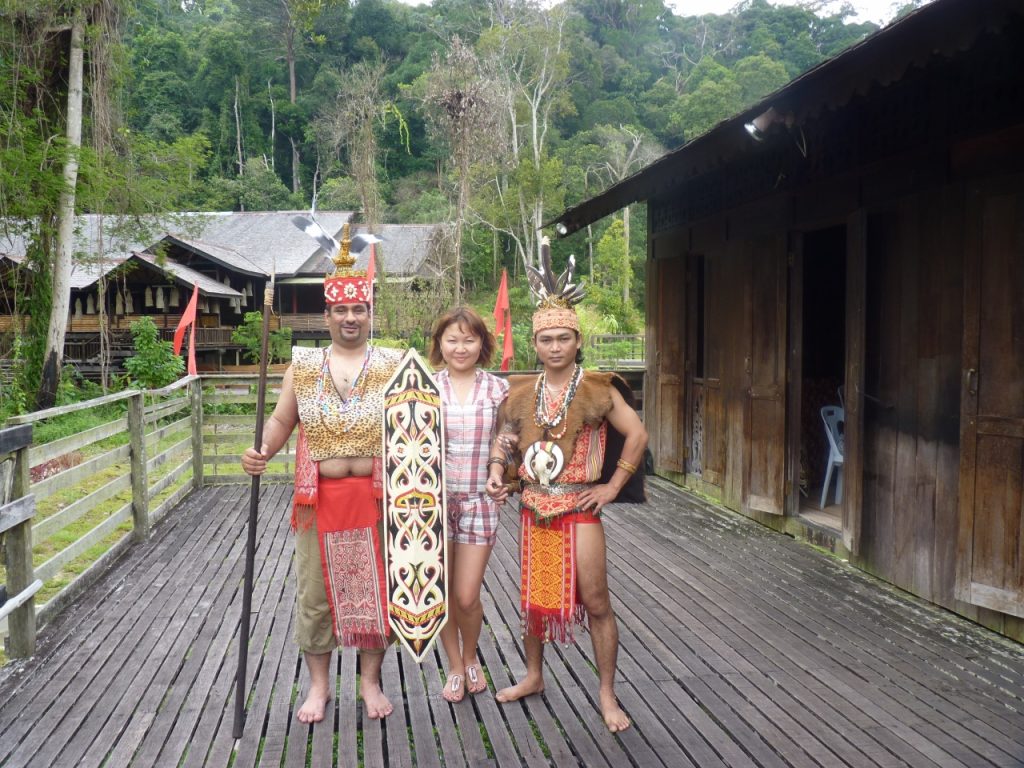
sightseeing in Sarawak Natalya Pak, Sales Manager for Russia & East Europe of Diethelm Travel Malaysia, shares her best tips for what to do in Sarawak. My first visit to Sarawak, Borneo was six years after I moved to Malaysia and I remember feeling like I was in an overseas country – the people, culture, food and even local slang are so different from the Peninsula. There are so many nice and beautiful places to visit in Sarawak – Kuching, Batang Ai, Sibu, Bintulu, Gunung Mulu National Park, Miri – and a wide range of excursions featuring everything from adventure and culture, to leisure and even diving! Kuching, the capital city of Sarawak which means the ‘City of Cats’ in direct translation from Malay, is a very compact and clean city. With approximately 650,000 inhabitants, the locals clearly enjoy living there and take great pride in their fascinating city, which is reflected in their attitude toward visitors. [showimage url1=”https://dth.stagingurls.com/wp-content/uploads/2016/06/P1000135-1280×960-1.jpg” url2=”https://dth.stagingurls.com/wp-content/uploads/2016/06/P1000139-1280×960-1.jpg”] where to stay in Sarawak A stay at the Grand Margherita & Riverside Hotel allows you to walk to shopping malls, museums, restaurants, a waterfall and many other points of interest with no taxi needed. One of the main areas that makes the city so beautiful and charming is the waterfront – the most popular meeting place in town with wooden benches, food stalls, restaurants and entertainment facilities. It’s nice walking there during the hot day and trying ice kacang, Malaysian ice cream, while walking during the evening is incredibly romantic. [showimage url1=”https://dth.stagingurls.com/wp-content/uploads/2016/06/P1000381-1280×960-1.jpg” url2=”https://dth.stagingurls.com/wp-content/uploads/2016/06/P1000310-1280×960-1.jpg”] eating in Sarawak A holiday won’t be successful without delicious food – don’t you agree? Sarawak is a multinational state where a mix of cultures have blended to create famous dishes known throughout Malaysia such as: sarawak laksa, kolo mee, ayam pansuh, ikan terubuk masin, umai and many more. I will not explain each and every dish, but would like to call attention to a unique plant, medin – a kind of fern that only grows and can be tried in Sarawak. I love its crisp texture! Top Spot Restaurant is a nice local food court offering a wide variety of fresh seafood with very reasonable prices. You’ll see both foreigners and locals having dinner here and everyday the restaurant is full, indicating the high quality of delicious food. Overall, the food in Sarawak is very tasty and cheap compared to Kuala Lumpur, which is an additional attraction for food lovers! [showimage url1=”https://dth.stagingurls.com/wp-content/uploads/2016/06/P1000200-1280×960-1.jpg” url2=”https://dth.stagingurls.com/wp-content/uploads/2016/06/P1000274-1280×960-1.jpg”] what to do in Sarawak Sarawak Cultural Village – The Sarawak Cultural Village is home to seven different kinds of traditional homes representing the region’s most common ethnic groups: Bidayuh, Iban and Orang Ulu longhouses, a Penan jungle settlement, a Melanau tall-house, a Malay townhouse, a Chinese farmhouse and a Chinese pagoda. Each house offers you a stamp for your official SCV passport upon entry and allows visitors to see how the locals live without actually going to a traditional longhouse. People living here demonstrate traditional daily activities from Sarawak’s diverse tribes, such as the processing of sago and the making of handicrafts. [showimage url1=”https://dth.stagingurls.com/wp-content/uploads/2016/06/P1000375-1280×960-1.jpg” url2=”https://dth.stagingurls.com/wp-content/uploads/2016/06/P1000409-1280×960-1.jpg”] Bako National Park – Bako National Park contains a wide range of vegetation – swamp forests, scrub-like padang vegetation, mangrove forests, dipterocarp forests, delicate cliff vegetation and more. In fact, it is possible to see almost every type of vegetation found in Borneo at Bako. Bako also contains a rich variety of wildlife and a coastline covered with small bays, coves and beaches. I’ve visited several national parks in Borneo and would say that Bako National Park is one of the most interesting! (Note that you may visit this park during dry season only.) Sea Stack – On the way back from the park, a boat will take you to see the iconic Sea Stack – a beautiful rock formation that’s one of Sarawak’s geological treasures. According to our guide, the Sea Stack is getting shorter every year and one day may disappear. Of course, I have photo evidence for my great grandkids to show that Sea Stack really existed. If it still exists generations on down the line, they’ll still be impressed with how young I look! 😉 [showimage url1=”https://dth.stagingurls.com/wp-content/uploads/2016/06/P1000161-1280×960-1.jpg” url2=”https://dth.stagingurls.com/wp-content/uploads/2016/06/P1000241-1280×960-1-1.jpg”] Semenggoh Nature Reserve – Of course, you can’t go to Kuching and not visit Semenggoh Nature Reserve! This rehabilitation centre is located in Kuching itself allowing you to easily see orangutans. Considered the “Man of the Forest” – they are one of the world’s largest primates and have 95% same DNA as humans! – orangutans are found in the rainforests of Malaysian Borneo (Sarawak and Sabah), Indonesian Borneo (Kalimantan) and North Sumatra. Being in the travel industry for more than eight years and focusing on Malaysia as a destination, I always recommend visiting Sarawak as the most unique and fascinating place in Malaysia for travellers and visitors. My love goes to Malaysia – Truly Asia! https://www.diethelmtravel.com/packages/7-day-land-of-the-headhunters-2/
a dream journey of a lifetime: Sabah
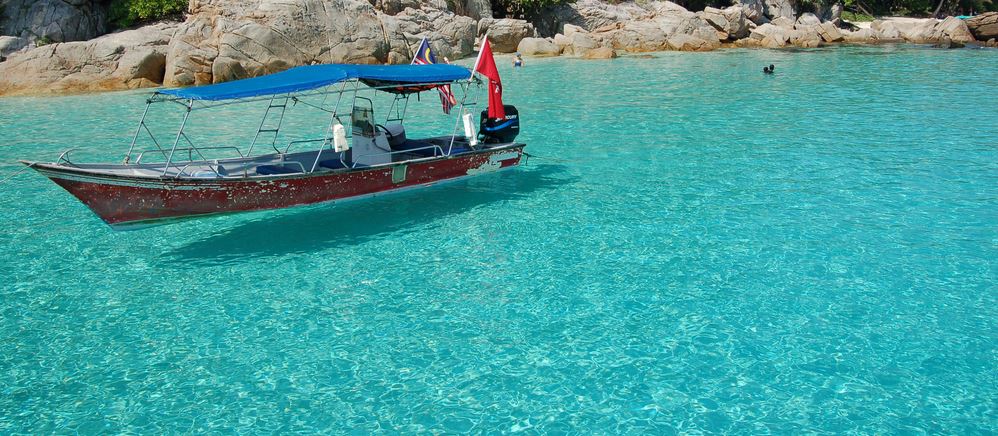
my time in Sabah Nestled in the northern part of Borneo, Sabah is not only a wildlife lover’s dream destination but also perfect getaway for lovers of all kinds. L. Christian Schmidt, Sales Manager of Diethelm Travel Malaysia, shares what it’s like experiencing the magic of Sabah for the first time complete with the ultimate surprise. Many things feel like a dream, as the reality is sometimes just too good to be true. Having only found out the day before where our journey was heading, my girlfriend had little idea what was lying in wait for her, though I knew this trip would change our lives forever. As we sat together enjoying our flight, I could see the joy in her eyes as we flew our way to Sabah, a destination we had always dreamed of discovering. [showimage url1=”https://dth.stagingurls.com/wp-content/uploads/2016/06/Sunrise-over-Mt.-Kinabalu-@-Gaya-Island-Resort-1.jpg” url2=”https://dth.stagingurls.com/wp-content/uploads/2016/06/Christian-Schmidt.jpg”] wildlife and wondrous cuisine Once arriving, in the hands of an excellent guide and driver, my girlfriend learned of our first activity – the Klias River Cruise to see proboscis monkeys. Filled with excitement, we had our lunch while getting to know my colleagues, after which we continued on the road stopping for a refreshing coconut and some large clams. Reaching the river with its serene and natural atmosphere, I immediately found myself having a comfortable seat with a cool beer. After our refreshments, we headed onto the boat, hunting with our eyes for the elusive proboscis monkeys. Though we successfully spotted some, collecting of evidence in the form of clear pictures proved to be a challenge! It was with the setting sun that we headed back to shore for a local buffet dinner before it was back unto the boat to watch the magical twinkling of the uncounted fireflies as we sat in the dark feeling rather enchanted. The next day, we transferred to the jetty in Kota Kinabalu from where we would head to our next destination. Upon arrival we dropped off our bags and had oysters and more deliciousness for lunch while we waited for our boat transfer. [showimage url1=”https://dth.stagingurls.com/wp-content/uploads/2016/06/View-of-the-Water-Village-after-Snorkeling-@-Gaya-Island.jpg” url2=”https://dth.stagingurls.com/wp-content/uploads/2016/06/Our-Excellent-Guide-and-Driver-at-lunch.jpg”] staying at the Gaya Island Resort…and a secret surprise Though I had tried to leave my girlfriend in the dark, she managed to figure out that we were heading to an island and turned to me to ask, “Are we going to the Gaya Island Resort?!” It was impossible to hide the surprise any longer and it was great to see the excitement again rise in her eyes as we joyfully made our way to the boat that would take us the rest of the journey. Upon arrival we were welcomed by the hotel staff with smiles and friendly words. Once again we breezed our way through the check-in process and were led on a mini tour en-route to the doorstep of our spacious 5-star Bayu Villa. Being wildlife enthusiasts, the experience was further enhanced for us with the added excitement of seeing a young wild boar just nearby – a regular but shy visitor to the premises. Our day came to a slow and relaxing end as we enjoyed our meal with a delicious drink, sitting opposite of each other in soft candlelight. The next day our schedule remained packed and we were strongly committed to keeping with it by starting the day watching the sun rise over Mt. Kinabalu in the distance. With the narrow sea lying in between the island and the mainland, the reflecting light of the sun seemed to show a road of gold that connected the two land masses giving us a perfect view to start the day with. [showimage url1=”https://dth.stagingurls.com/wp-content/uploads/2016/06/Our-Private-Bajau-Laut-Barbeque-Dinner-@-Gaya-Island-Resory.jpg” url2=”https://dth.stagingurls.com/wp-content/uploads/2016/06/@KLIAS-RIVER-CRUISE.jpg”] I had big plans for the day and we enjoyed our time in the pool and at the pool bar before heading out for a snorkelling trip. It was an excellent and refreshing swim with fish all around us, a true and calming experience for any island visitor. After the tour we had lunch at Tavajun Bay, a private beach reachable only by boat or a nature walk. The day was going so perfectly that we didn’t notice the time flying past and all of the sudden we found ourselves back at the resort, getting ready for our special meal – a private beach dinner that I had kept secret from my girlfriend. We realised that we had achieved almost all aspects that would be expected from an unforgettable holiday – great guides, pleasant drives, comfortable hotels, refreshing swims and excellent meals. Unfortunately a great holiday is never fully achieved without also a slight hiccup however, and on our way down to our special private dinner, my girlfriend felt a stomach bug creeping up. The timing could not have been worse, but as she saw the amazing dinner set up complete with a heart made of sand in which our table was set, surrounded by four lanterns, and soft and inviting candle light, she forgot all about the stomach bug as the champagne arrived and I got down on one knee and proposed to her. It was a scene I thought was only possible in the movies, and when she said yes I felt as if I had already left Sabah and entered into the heavens. [showimage url1=”https://dth.stagingurls.com/wp-content/uploads/2016/06/Mari-Mari-Cultural-Village-1.jpg” url2=”https://dth.stagingurls.com/wp-content/uploads/2016/06/Mari-Mari-Cultural-Village-performance.jpg”] Mari Mari Cultural Village The next day, we found ourselves back on the boat once again heading for the Kota Kinabalu city to our next destination, the Mari Mari Cultural Village. Upon arriving at the mainland once more, it was an absolute delight to see one of my colleagues waiting to receive us at the jetty, and even more so when we found out that our first driver was back to take us to the village. The Mari Mari Cultural Village was like a melting pot of the various tribes found in Sabah, complete with replica houses, cooking demonstrations, and even rice wine making and tasting. What caught us by surprise the most was an indoor trampoline found in one of