diethelm reach
At Diethelm Travel we know how precious your holiday time is to you, so welcome your feedback about your experiences whilst in our care and how we performed. Your opinions are important in helping us shape and improve the things that really matter to you – whether touring, sightseeing and shopping or simply relaxing on a beach or by a pool. Thank you for taking the time to share your thoughts with us and look forward to welcoming you back for another Journey of a Lifetime! select language below to share your feedback
Diethelm Cares: Career Week 2017
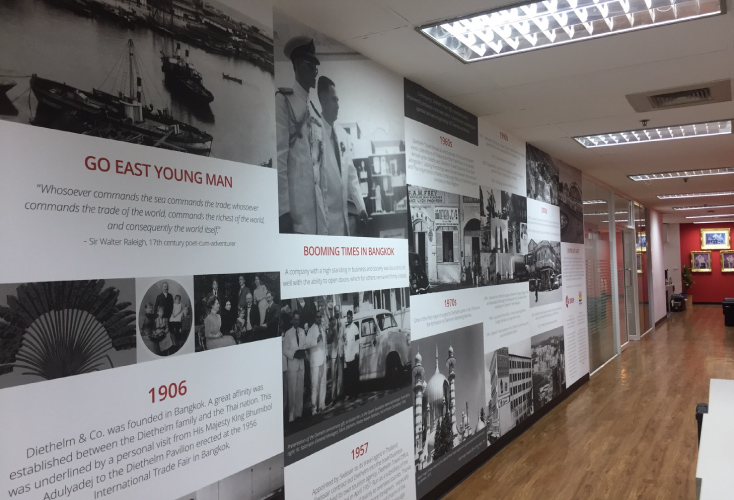
As part of our Diethelm Cares initiative, we strive to support and take responsibility for Our People, Our World and Our Actions. As a travel company, it’s really not the destinations but the people that are at the core of all we do. From our in-office staff, to the partners we work with, the people in our communities and, of course, our guests, creating Journeys of a Lifetime are always made more memorable thanks to the people involved. When it comes to supporting our team and communities, we also want to make sure that we encourage the next generation through offering apprenticeships and working with partners located close to our offices. With this in mind we recently welcomed two students from NIST International School in Bangkok to the Diethelm Travel Thailand office for Career Week. Manop (grade 9) came to work with us for a week and wrote about his experience exploring the different departments of Diethelm: [showimage url1=”https://www.diethelmtravel.com/wp-content/uploads/2017/07/Blog_03.jpg” url2=”https://www.diethelmtravel.com/wp-content/uploads/2017/07/Blog_04.jpg”] Walking into Diethelm made me anxious and nervous, however as soon as I made my acquaintances with the employees, my mood brightened up. Khun Mook, Khun Karn, Khun Stamp and Khun Siprang, were the main employees that I interacted with everyday. They made me feel welcomed in the company by showing me different techniques of programming, making jokes, taking me for lunch and constantly appreciating my work (even if I knew my work wasn’t that good). Moreover they would also constantly make sure I was busy and give me tips on how my work could be improved. Towards the last few days at Diethelm, I was very grateful for Mr. Adam Clarke, who is the HR Manager, for setting up meetings for myself with different departments in the company, such as the financial department, IT department and the management department. These meetings gave me a much broader idea and experience regarding what each department does in order to benefit the company. [showimage url1=”https://www.diethelmtravel.com/wp-content/uploads/2017/07/Blog_01.jpg” url2=”https://dth.stagingurls.com/wp-content/uploads/2017/07/Blog_02.jpg”] Manop did more than just observe during his time at Diethelm – he helped out with some of our current projects, including helping draft a short video of our recent time spent with the nonprofit Pencils for Kids, Inc. and even working on graphic design for a new Diethelm project (coming soon!). To sum it up, it can be said that over the span of my time at Diethelm I have really experienced many different activities with a lot of support from the people working in the Marketing department whom I am very thankful for. This is a great place, which gives great opportunities and has delightful people who are always ready to support you in every turn. Thank you for the kind words, Manop – we enjoyed having you and appreciate all your hard work! [showimage url1=”https://www.diethelmtravel.com/wp-content/uploads/2017/07/Blog_05.jpg” url2=”https://www.diethelmtravel.com/wp-content/uploads/2017/07/Blog_06.jpg”]
A Sacred Trip to Cambodia: Angkor Wat
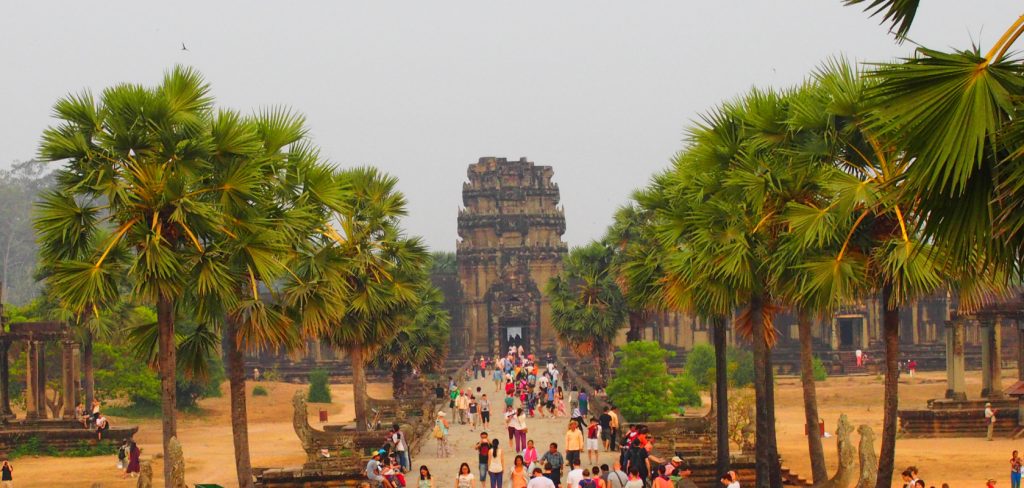
Chutiluk Vilaib, an Application Developer in Diethelm’s Thailand office shares what made her first trip to Cambodia’s awe-inspiring Angkor Wat stand out. What began with a question from a close friend – “Hey, have you ever been to Angkor Wat?” –resulted in our unforeseen journey to Cambodia in the summer of 2016. Even though the trip was decided on a whim, we knew we wanted to see one of the greatest World Heritage sites, Angkor Wat. Particularly since my friend and I are Buddhist, we didn’t want to miss visiting the largest temple complex in the world! Staying at Angkor We didn’t have much time to prepare for our trip, so we packed a few change of clothes in our backpacks and briefly searched for hotels. We decided on the Belmond La Résidence d’Angkor, which is in the heart of Siem Reap. This contemporary hotel has a beautiful Cambodian design and atmosphere that fuelled our excitement to explore Angkor Wat. [showimage url1=”https://www.diethelmtravel.com/wp-content/uploads/2017/05/Cambodia_long.jpg”] Dining on Local and International Cuisine We came across a good variety of restaurants in Siem Reap featuring local and international food. We couldn’t pass up sampling Cambodian curries and rice noodles, but other cuisines were not hard to find either. We found an Italian restaurant called Mamma Shop that served delicious pizza and pasta – it was so good that we wanted to eat there again! Getting Around Angkor Given the enormous area of the temple complex, we opted to hire a tuk tuk driver rather than explore the area by food. A tuk tuk is a type of small vehicle in which a motorcycle pulls a covered carriage. There are other transportation options by which to explore Angkor such as renting a car or taxi, but we found that the best means of getting around Angkor area was by tuk tuk. We preferred its open-air design and the joy of the ride, which is one-of-a-kind experience in our opinion. [showimage url1=”https://www.diethelmtravel.com/wp-content/uploads/2017/05/Cambodia_Large.jpg” url2=”https://www.diethelmtravel.com/wp-content/uploads/2017/05/Cambodia_Small.jpg”] Exploring the Temples We took a tuk tuk from our hotel in the early morning and headed to Angkor Wat in hopes to avoid the crowds. But after arriving and paying the USD 20 single-day entrance fee, we realised that many people had that same idea as us! That didn’t stop us from praying to Buddha and watching the first light of the sunrise in the morning for a blessing. Angkor Wat literally translates to “temple city” and consists of many religious structures and consecrated places. Apart from the gigantic scale of the complex, the architecture of the temple and walls is visually stunning and lives up to its fame that has stood the test of time. The art and the decorations tell the story of how magnificent the Khmer Empire once was. Though the empire has since withered, the legend certainly lives on. There are also many other sacred places to visit near Angkor Wat such as Angkor Thom, Bayon Temple and Ta Prohm. They all have interesting stories behind them and have subtly different architecture and atmospheres. Although it took all day, we visited many of the major sites and felt that our bodies and souls were blessed. We wish we had visited all of the sites but we agreed that it would have taken at least two days for that to be possible. Here is a list of places we visited: Angkor Wat – A World Heritage site and the largest temple complex in the world, this is the main attraction for every visitor and worshiper Angkor Thom – The ancient capital city of Khmer Empire containing beautiful architecture and ruins Bayon Temple – An iconic temple located in heart of Angkor Thom with smiling stone faces Phnom Bakheng – The mountain temple, famous for its sunset views Ta Prohm – Temple ruins covered by tree roots that offer unique photo opportunities Preah Khan Temple – Temple ruins built to honour the ancient king’s father In a nutshell, we were impressed by the sight and size of Angkor Wat and other ruins. They have a unique cultural presence and historical significance. It was a memorable journey for us that we would like to go and visit again someday. The charm and beauty of this sacred ground are something to behold and worth the journey for any visitor. Recommended Tours: Biking the grand cicuit around angkor thom Biking in angkor wat forest The mythical tour at angkor wat with the apsara conservation project
Discovering Dalat: A City of Mist
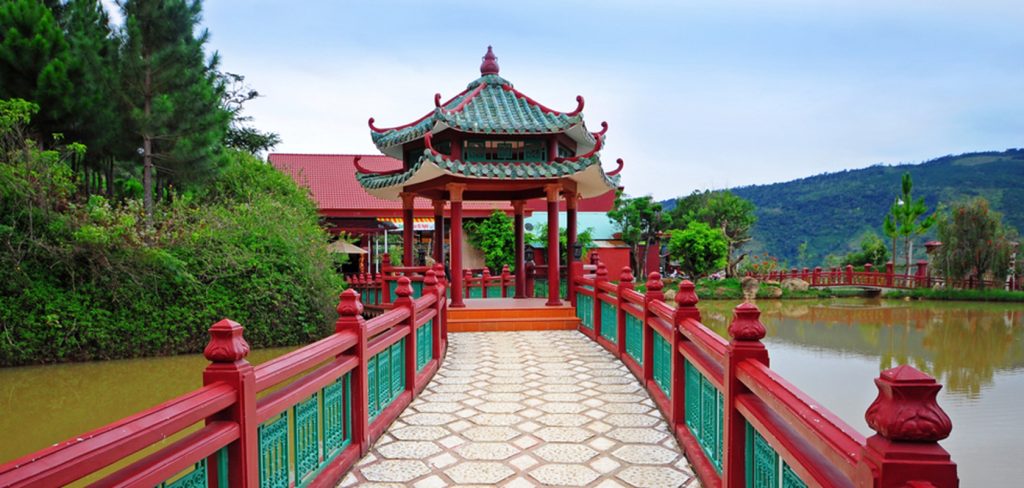
When Sirapa Limsiworapat, from Diethelm Travel first visited Dalat, Vietnam she immediately fell in love with the ‘fairy tale’ town. Here’s why in her own words… Although I’ve been to Vietnam many times, I had my first chance to visit the city of Dalat in March 2013. It’s a romantic town of mist, lakes, mountains, waterfalls, flower gardens and beautiful French architecture, and many people have said it’s like Switzerland. I thought it was a fairy tale city! Getting to and Around Dalat Although there are many ways to get to Dalat, my friend and I took an overnight bus from Saigon, which departed at 23:00 and arrived in Dalat around 5:00. It’s possible to rest on this 6-hour ride because passengers can lie down on private lower and upper beds. I’d say it’s similar to sleeping on a sofa at home. The bus tickets we bought were inclusive of a shuttle service from the bus station to our respective hotels in Dalat. Upon arrival, most of the hotels offer complimentary early check-in as long as there are rooms available because the hotel staff is aware of early arrivals by overnight bus. Once in the city, I was very comfortable using the Vietnamese taxi services. I wrote down the contact information of several prominent taxi companies and whenever I needed a ride, I called and informed the drivers of my pick-up place and they came shortly thereafter. [showimage url1=”https://www.diethelmtravel.com/wp-content/uploads/2017/05/DalatLong2.jpg”] Where to Stay: Hoang Anh – DatXanhDaLat Resort I treated myself to a villa at the Hoang Anh – DatXanhDaLat Resort. This 4-star boutique resort is a European-style building decorated with local Vietnamese flair. One of my favourite features was the hydrangea garden. I couldn’t help but take hundreds of photos while strolling around the hotel and its gardens and stumbling upon all the beautiful details and decorations. What to Visit: Grand Architecture and Natural Sites The first place I visited in Dalat was the Truc Lam Pagoda. It’s the city’s most famous pagoda and a place where many people make pilgrimages to pray at its main Buddha statue. I made a wish that I would have the chance to come back here again (and I did a year later!). After exploring the pagoda, I took a cable car from the Truc Lam Pagoda over the scenic countryside. I really enjoyed this ride and its fantastic views of the fields below. Next, I chose to visit several sites because of their renowned beauty and historical significance: the Bao Dai Summer Palace, Dalat Train Station and the Dalat University. The French colonised Dalat in the mid-19th century and these buildings’ architecture reflects beautiful French styles with a classic yellow and red brick colour scheme. We enjoyed lunch at another scenic site called the Valley of Love, which is surrounded by green hills and beautiful gardens. There is even a big lake in the middle that serves as the perfect place or for relaxing and having a picnic lunch. The Xuan Houng Lake, otherwise known as Paradise Lake, is a big beautiful lake in the centre of Dalat. Taking photos of the cloudy sky reflecting in the clear water and watching the lights turning on as dusk settled in was my favourite part of the trip. The Datanla Waterfalls is an attraction that is both refreshing and thrilling. There are wooden paths that allow visitors to walk near the falls and it’s possible to enjoy soaking in the lower stage of the falls. I went in March, so the water was a bit too cold for me! I also read in a brochure that there was a mini roller coaster at the Datanla Waterfalls. The roller coaster tracks took me around the falls on a fun 5-minute ride. I was able to control my ride with a brake and enjoy the curved route and scenic surroundings. (I bought a roundtrip ticket for the mini roller coaster but recommend others just buy a one-way ticket because the return leg was not much of anything.) [showimage url1=”https://www.diethelmtravel.com/wp-content/uploads/2017/05/Dalat_Large_01.jpg” url2=”https://www.diethelmtravel.com/wp-content/uploads/2017/05/Smallversion_dalat.jpg”] Making the Most of a Trip to Dalat I stayed four days and three nights in Dalat but I think it’s possible to visit the main attractions I mentioned above in just 1.5 days. I spent the rest of the time walking around in town, taking photos, making stops at cute coffee shops and local restaurants. You have to try Vietnamese coffee and the local cuisine while you’re there – very tasty! As a Vietnamese language student, I also enjoyed practicing Vietnamese by talking with people at the shops, restaurants, pagodas, markets and any other places I met them. Most of the Vietnamese people I met were nice, friendly, helpful and polite, although some of them were very shy. Don’t worry if you can’t speak Vietnamese, however. People there are able to communicate in English and can assist you if you need help. After this first trip, I‘ve returned to Dalat three more times. I can’t wait to go back again soon!
A Wonderful Day at Tong-Bai Elephant Foundation
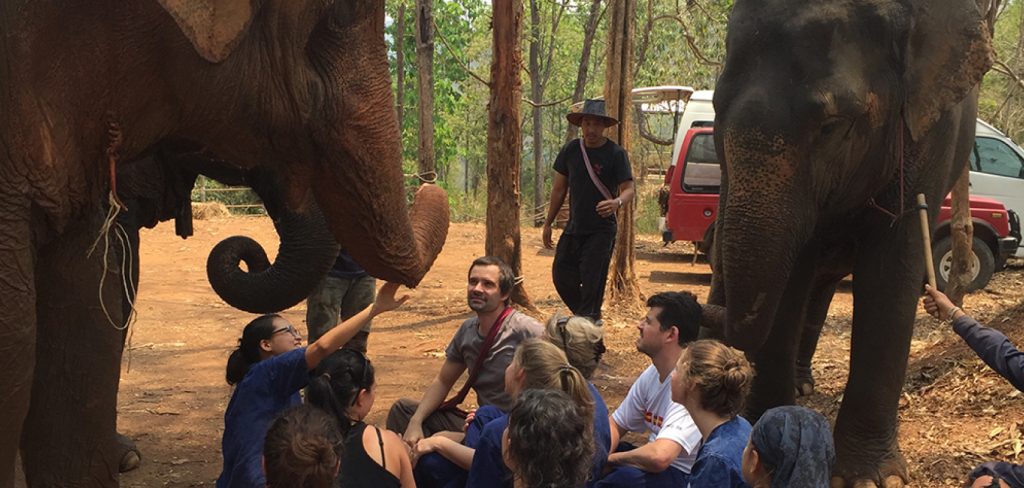
Asia’s elephants have always held a revered role in the region’s history and culture. Here Napason Wetchapram, CSR Ambassador at Diethelm Travel Thailand, shares more about the gentle giants place in ancient and modern day Asia and how travellers can visit these magnificent creatures in an ethical and sustainable way. Elephants are an important animal and symbol for Thailand as they used to support kings throughout history during times of war. I got a chance to spend Thailand’s New Year, or Songkran, with elephants in the northern part of the country to learn more about the animals and how they’re treated today. To be honest, I hadn’t really been interested in visiting elephants before, but I quickly changed my mind after experiencing this trip! [showimage url1=”https://www.diethelmtravel.com/wp-content/uploads/2017/05/Large-1.jpg” url2=”https://www.diethelmtravel.com/wp-content/uploads/2017/05/Small.jpg”] Mae Sa Pok Nua: A Peaceful Area My mother and I arrived in Chiang Mai in the evening and stayed at Mae Win Guest House which is 60 kilometres outside of the city of Chiang Mai and opposite Tong-Bai Office. The local people are mostly Karen farmers, with some working for the guesthouse and elephant camp. We woke up early the next morning then walked passed a row of monks collecting alms to visit a Karen village (Mae Sa Pok Nua) and talk to people there to start learning more about the area. Tong-Bai Elephant Foundation & Camp Though now an illegal practice, historically elephants in northern Thailand worked for the logging industry. Tong-Bai Foundation was started to help unemployed elephants and Karen people to stay and work in their hometown. Tong-Bai Camp is surrounded by dry forest, cornfields, elephant grass and rice paddy. There are only two buildings; a high wooden cottage for orientation and a little shed for mahouts (the elephants’ handlers). Though the foundation is relatively small, they manage to take excellent care of the elephants they have staying with them. We met a male and three females that are taken care of by local Karen mahouts. We could see the elephants waving ears, eating, playing and stand-sleeping from everywhere in the camp because they are kept nearby behind simple rope fences. According the to guide at the foundation, they all came to the camp with a history of hard work in the logging industry. I am quite sure they are happier to live here. We started the experience learning more about Asian Elephants from the foundation owner and elephant expert who explained how the Asian Elephant’s body, mood and character compares to the elephants from Africa. After a 30-min talk, it was time to change into mahout outfits and go get closer to the animals. It was great that we could pass the fence to say hello, touch and even hug the elephants. The experts and mahouts were always standing by to help and answer any questions. After greeting the elephants, they walked to go drink water and then came back for an impressive moment – our small group of 10 people was able to sit among them! We were so close to them and the view of grey giant faces was incredible. [showimage url1=”https://www.diethelmtravel.com/wp-content/uploads/2017/05/Large02.jpg” url2=”https://www.diethelmtravel.com/wp-content/uploads/2017/05/Small02.jpg”] Eat, Walk and Bathe Together Next, we went upstairs for a Thai lunch and continued discussion while watching the elephants eat their lunch as well. Elephants are vegetarian and typically consume around 200 kg. of grass, hay and fruits about per day depending on their weight! After lunch, the team showed us their Vet Point Project, which helps to rescue all elephants in areas far away from a main veterinary hospital. The project is still under construction and looking for more funding, but will hopefully be an important site for elephant care in the future. After Vet Point, the mahouts let us lead the elephants and walk one-by-one with them. My elephant partner was Mae Mowa, a lovely 35-year-old girl. Walking two kilometres through the forest with the elephants was, and will always be, one of the highlights of my life. During the walk, we arrived at a small canal for the elephant’s bath. As soon as the elephants plunged their feet in cold water, it was like they have found the best place in the world! Some rolled up and down, with heads plunging in and out of the water like a child in pool! Time to Say Goodbye We finished the day by walking through the river with the elephants to the last stop. After feeding the elephants some bananas for energy and taking group photos we said good-bye. My mother and I were quite tired but incredibly happy to have joined the trip for the day. Thank you, Tong-Bai Foundation for the most wonderful elephant experience ever in our life!
Unique Places to Stay in Pai, Thailand
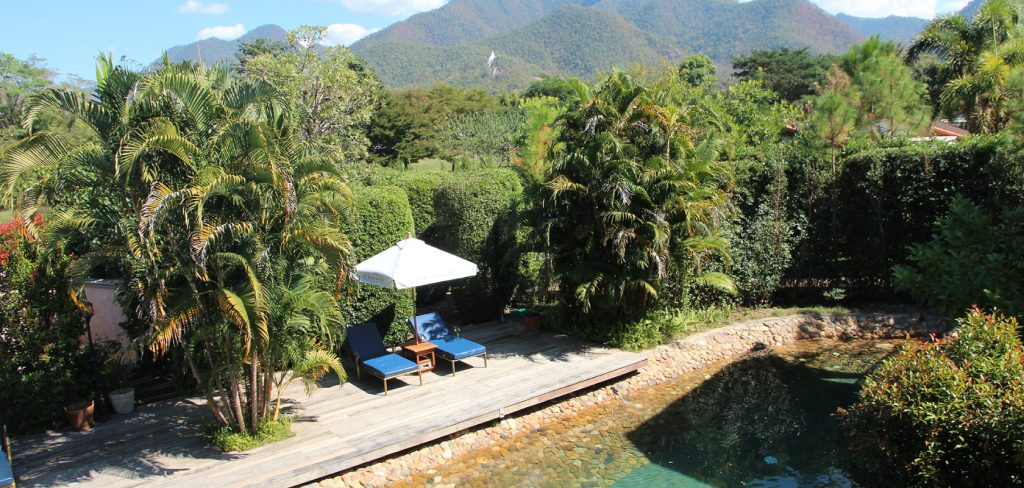
Known for its quiet valley, jungle covered mountains and laidback way of life, Pai has become a must-see stop in northern Thailand for anyone wanting to slow down and simply unwind. While the charming village long had only basic accommodation options, new boutique properties are opening up offering guests stylish rooms while relaxing to the max. Reverie Siam Situated alongside the Pai River about a 5-minute drive from the town’s walking street, the recently opened Reverie Siam’s style is a unique blend of French Provencal and ‘shabby chic’ – not what you typically find in a northern Thai village! A small and distinct boutique property owned by an Irish/Thai couple, the intimate hotel features just 20 rooms, including Villas, Deluxe Mountain View rooms, Deluxe Pool Access rooms and Deluxe Garden View rooms, all with distressed furniture, cupboard doors, classic brass taps, collections of old fashioned suitcases, gramophones, typewriters and more to create a charming atmosphere of a bygone era. The hotel’s bar and all-day restaurant serves up Mediterranean and contemporary Thai cuisine that is surprisingly delicious, creative and extremely well executed with an excellent choice of wines and lovely evening cocktail hour set up by the river. Guests can also enjoy taking a dip in the two saltwater swimming pools or wandering through the property’s attractive garden, which seems more Italian than Thai thanks to the cypress trees, before taking advantage of the free tuk tuk shuttle service into the centre of town. [showimage url1=”https://www.diethelmtravel.com/wp-content/uploads/2017/05/Pai_Large.jpg” url2=”https://www.diethelmtravel.com/wp-content/uploads/2017/05/Pai_Small.jpg”] The Quarter Pai Situated just a 5-minute walk from the centre of Pai and an 11-minute walk to the Night Market, the Quarter Pai is an attractive and well-maintained resort. The 2-storey contemporary property consisting of 36 Deluxe rooms, offering both double and twin beds, and a Group Residence of five rooms, Pool Suite, Junior Suite and three Premier rooms. The Deluxe rooms are practical and well decorated in light grey pastel tones while the Group Residence is ideal for families with a 2-bedroom option and 1-bedroom with sitting room option. For those needing a break from the heat, the large central swimming pool has a nice area with a number of semi-private screened sections housing two sun loungers and a sun umbrella just on the edge of the well-maintained gardens. Part of Pai’s unique charm is the chance to simply just be, which makes choosing accommodation here even more of a priority. When staying at one of the town new boutique offerings, you can be sure your staying will be just as comfortable as it is care-free.
Beyond Chiang Mai: Unique Activities and Outings in Northern Thailand
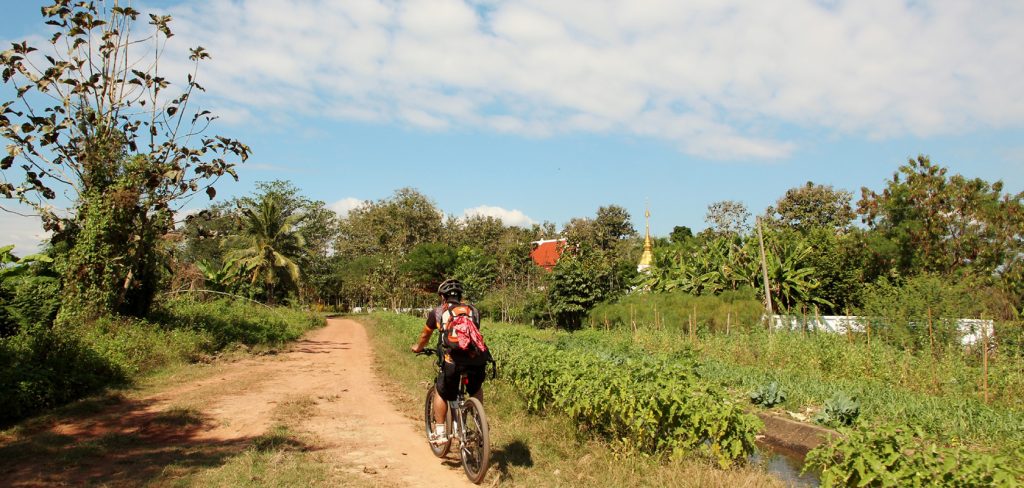
No longer a secret of backpackers or spirituality seekers wanting to linger longer in Thailand, Chiang Mai has made a name for itself as one of the country’s leading destinations as well as Thailand’s cultural capital filled with art, handicrafts and traditional lifestyles. Chiang Mai’s true charm lies outside of the city however, in its rural rice fields, jungle covered mountains and small villages, but close to town and throughout northern Thailand. There’s plenty to do, especially when it comes to getting out into nature. Hikes in Pai About three hours away from the town of Chiang Mai, Pai used to be known as a backpacker stop but is now changing as more international restaurants and boutique accommodation crop up. The tiny town is located in the Pai valley surround by hills and plenty of opportunities for trekking, Most Pai tour agents offer overnight hikes with homestay accommodation or rugged sightseeing excursions by Jeeps, but one boutique hotel, Reverie Siam, is working to provide different private half-day hikes and, on request longer, treks through nearby villages, jungle and scenic ridges. These offerings allow guests to explore the region while still being able to stay in comfortable accommodation and make the most of visits with limited time. For the non-trekkers, there are still some interesting sites and viewpoints that can be easily reached from town including the Yum Lai Viewpoint, Kho Ku So raised bamboo bridge (built to enable monks to reach their monastery during the monsoon) and the iron Memorial Bridge. Cycling through the countryside in Mae Sa Valley Our Rural Chiang Mai cycling tour is one of the most unique cycling excursions in the country including a leisurely 28 – 30-kilometre cycle ride in the Mae Sa Valley just outside of Chiang Mai city. Throughout the day, guests get to experience Chiang Mai’s countryside via car, bicycle and boat with plenty of interesting local and cultural stops along the way. The tour begins at Elephant Poo Poo Paper Park, which makes an excellent stop for bathrooms or a quality coffee before cycling and for families to see the interesting method of turning elephant ‘poo’ into paper. From there, guests cycle on quiet roads through villages and rice fields, and past shimmering temples with views of Doi Suthep mountains. After finishing the ride to enjoy lunch by the Ping River, a leisurely 50-minute boat cruise takes guests back to town docking at Wat Chai Mongkhon. The tour is available for groups or private options, with private tours offering the added convenience of complete flexibility to design a shorter or longer cycling routes or routes adjusted for children. Another popular tour, especially for those wanting a well-priced group option, is a hiking and biking day tour in the Mae Sa Valley. Suitable for adults and teenagers, it begins with a 2-hour trek through stunning jungle and bamboo forest. After soaking sore feet in the cool water of a waterfall and eating a delicious Thai lunch, guests cycle the tour above. [showimage url1=”https://www.diethelmtravel.com/wp-content/uploads/2017/05/Chaing_mai_1.jpg”] Cycling through Sri Lanna National Park Another intriguing cycling and adventure excursion just outside of Chiang Mai is a day of cycling and kayaking day in Sri Lanna National Park, which is a highly recommended experience for couples and families looking for a soft adventure experience. Guests start the day by driving about one hour from Chiang Mai to the lovely Mae Ngat Valley to pick up their bicycles then cycle a 15 – 20 kilometre loop along mostly-flat rural roads through the scenic valley. From there they head to Mae Ngat Dam and swap the bikes for kayaks to paddle for about an hour before reaching tranquil floating houses. After a delicious Thai lunch, guests can then relax at one of the raft houses or take a swim in the lake before either paddling or taking a longtail boat back to the shore and returning to the National Park Headquarters, then Chiang Mai. 101 Tea Gardens in Mae Salong Toward Chiang Rai, picturesque tea farms dot the mountains offering travellers idyllic landscapes and plenty of picture taking opportunities. The small 101 Tea Gardens plantation and charming tasting room is far preferred to the larger Choui Fong Tea Farm to learn more about the tea growing process as well as sampling fresh brews.
Koh Jum and Koh Klang
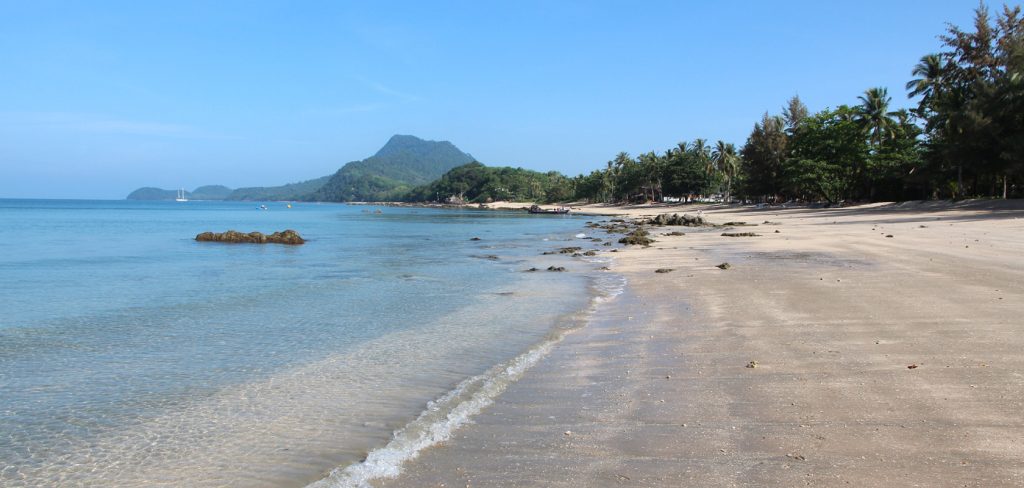
While it’s no secret that Thailand’s southern islands attract millions of visitors each year, there are still hidden destinations to discover that haven’t been built up by the tourism industry as Sam Vincent, Diethelm Travel Thailand’s Key Account Director, found out on a recent trip to Krabi province. Krabi is an easy-to-access destination in southern Thailand that also acts as a gateway to popular nearby tropical paradises such as Koh Phi Phi, Koh Lanta and Ao Nang. But Krabi is also a great jumping off point for two lesser-known places: Koh Jum and Koh Klang. Although I would love to keep these two places my little secret, it’s also hard not to share my experiences with those looking for unspoilt paradises. What to Do on Koh Jum Island One of the least visited islands in Thailand lies in the Andaman Sea just 25 kilometres south of Krabi. It has two names: locals refer to the north of the island as Koh Pu (meaning ‘crab’) and the south of the island as Koh Jum. For being so close to the major tourist hubs, Koh Jum still retains a rustic appeal because of its limited electricity, few cars and friendly locals who inhabit the three small Muslim fishing villages. This island has an extremely laidback atmosphere and its long, sandy west coast beaches are practically empty, even during peak season. Koh Jum is a favourite with guitar-strumming travellers and families looking to avoid the party crowd. There are just a handful of local restaurants and beach bars outside of the hotels and there’s a small road that runs through the centre of the island offering pleasant cycling opportunities. Many of the remote beaches are only accessible by walking trails and swimming is extremely safe along almost the entire length of the west coast even during high tide. [showimage url1=”https://www.diethelmtravel.com/wp-content/uploads/2017/05/Koh_Jum_LLong.jpg”] Great Places to Stay on Koh Jum Two gorgeous properties that I recommend are the 4.5-star Koh Jum Beach Villas and the 3.5-star Koh Jum Lodge, which are both located on Golden Pearl Beach. Koh Jum Beach Villas are strikingly built using natural materials. The interiors are spacious, very comfortable and tastefully furnished with no expense spared and a very high standard of finish. They range from one to five bedrooms, with and without pools, beach or garden locations, and are situated on a staggering 700-metre stretch of beachfront. Despite modern day comforts, there are no TVs. The majority of the rooms do not have air-conditioning and instead are kept cool through the natural breeze or in-room fans. The other accommodation, Koh Jum Lodge, is set back from the beach in a tropical garden setting with coconut palm trees and other tropical foliage. The spacious cottages evoke a Robinson Crusoe deserted island feel and are constructed and decorated using local materials such as bamboo, cotton, rattan and wood. These cottages also stay cool through a natural breeze or a fan. There is an onsite restaurant that serves a very high standard of Thai, French and Mediterranean cuisine and seafood, as well as a small bar, a relaxing outdoor sitting area, a small swimming pool and a traditional Thai massage sala. How to Get from Krabi to Koh Jum Once you’ve landed at the Krabi Airport, take a 35-minute van or bus ride to the Laem Kruat Pier in Ao Nang. Through either hotel, arrange for a private 45-minute longtail boat ride from the pier to the Mutu Pier on Koh Jum. Both hotels are less than 10 minutes away once you’ve arrived on the island. [showimage url1=”https://www.diethelmtravel.com/wp-content/uploads/2017/05/Large.jpg” url2=”https://www.diethelmtravel.com/wp-content/uploads/2017/05/Koh_Jum_Small.jpg”] Koh Klang Koh Klang is not your classic tropical island but a traditional Muslim fishing community located close to Krabi Town. Visitors can experience the daily lives of the 5,000 local inhabitants going about their batik making, fishing and rice farming tasks. Despite its close proximity to modern day Krabi, Koh Klang takes visitors a step back in time and perfect for discovering the ‘untouched’ Thailand. It’s a peaceful car-free island with only motorbikes and samlors driving about, which make it a paradise for cycling. Popular activities include boat trips through the mangroves and bird watching around the estuary. Where to Stay: Islanda Hideaway Eco-Village Hideaway The Islanda Eco Village Hideaway is a wonderful place to relax. The bungalow-style lodges have a light, clean feel to them, are spacious and are comfortably air-conditioned. The gardens are extremely well maintained, the bar is sophisticated (and even contains a wine cellar) and the huge swimming pool a great place to cool off. Nothing is too much trouble from the friendly and obliging management. Local tours can be booked, which include Island Hopping, Mangrove Cruise, Village Tour and bird watching. Daily private or join-in tours can be booked through the eco-village and there are options for tailor-made tours for families interested in making crab or shrimp nets, learning batik, etc. [showimage url1=”https://www.diethelmtravel.com/wp-content/uploads/2017/05/Koh_Klang_Large.jpg” url2=”https://www.diethelmtravel.com/wp-content/uploads/2017/05/Koh_Klang_Small.jpg”] How to Get from Krabi to Koh Klang Koh Klang is just a 45-minute journey from the Krabi Airport to the southern end of the island. First, a hotel minibus will take you on a 30-minute drive to the Krabi Boat Lagoon. This is followed by a 10-minute longtail boat transfer to the Koh Klang Pier and then a 5-minute samlor ride to the Islanda Hideaway Resort. If you’re coming from the northern end of the island (from the Thara Pier next to Krabi River Marina), take a 5-minute cruise across the Krabi River to the Tha-le Pier on Koh Klang. From there, a free tuk-tuk shuttle service operates from 9:00 to 18:00 and will take you on a 20-minute drive through the peaceful village to Islanda Hideaway Resort.
Best Places to Stay in Chiang Rai, Thailand
Thailand’s northern city of Chiang Rai is an excellent jumping-off point to explore the rural wonders of the north as well as a range of unique and boutique lodging including: Maekok River Lodge Located 90 minutes away from Chiang Rai International Airport in the tiny town of Thaton, Maekok River Lodge is owned and managed by Bryan and Rosie, a British couple who used to work in international schools in Asia and have decades of experience in the Thaton region. They have an extremely good eye for detail which is apparent in everything from room design, to food menus in four languages, quality of both Western and Thai guides and optional excursion routings. The charming and well-managed resort, which is situated on the bank of the Maekok River, consists of 36 rooms in three different categories – Superior, Deluxe and Family. The practical, yet attractive, rooms are all identical; the difference is that the Family suites are made up of two Superior rooms with an interconnecting door. Each room boasts a patio or balcony as well as a small bathroom with a Balinese-style open shower. The property also features beautiful gardens and an inviting swimming pool. The lodge’s Spice Garden Restaurant, overlooking the river and surrounding hills, offers a good selection of delicious, well-priced local dishes (particularly Northern Thai and Burmese Shan) as well as some European favourites. Maekok River Lodge is a great, relaxed property for families with plenty of activities in an area of outstanding beauty and cultural history and heritage. Guests have access to a number of activities from the adjacent outdoor education centre, which include abseiling, archery, climbing, high ropes, jungle survival, rafting and Thai cookery. Activities off site include bird watching, biking, kayaking, trekking, tours and sightseeing, and local community projects. Hikes of varying lengths are also available with a guide as well as complementary cycling around the Thaton valley. [showimage url1=”https://www.diethelmtravel.com/wp-content/uploads/2017/05/Maekok_River_Lodge_Large.jpg” url2=”https://www.diethelmtravel.com/wp-content/uploads/2017/05/Maekok_River_Lodge_Small.jpg”] Phu Chaisai Mountain Resort & Spa Nestled amongst dense green jungle and mist-shrouded hills about 35 kilometres away from Chiang Rai International Airport, Phu Chaisai Mountain Resort & Spa makes an excellent base for exploring the Golden Triangle and Mae Salong area. An atmospheric collection of 33 eco-friendly thatched bamboo cottages in a mature and well-tended jungle environment, the resort envelops guests in the stunning nature of Northern Thailand. All cottages have en-suite bathroom and a wide balcony, while two pool villas have king size beds and are very romantic for those wanting a “rustic” private experience. The secluded resort also boasts an onsite spa and an infinity pool, as well as a restaurant serving Thai and International cuisine. The real draw of the resort is its unique location and natural surroundings – the evenings at Phu Chaisai take on an altogether different feel with the hum of jungle insects and relaxing sound from the regular pianist near the bar. [showimage url1=”https://www.diethelmtravel.com/wp-content/uploads/2017/05/Phu_Sai_Chai_Large.jpg” url2=”https://www.diethelmtravel.com/wp-content/uploads/2017/05/Phu_Sai_Chai_Small.jpg”] Manee Dheva Resort & Spa Situated approximately a 45-minute drive from Chiang Rai International Airport in a picturesque valley of the Mae Salong River, the Manee Dheva Resort was opened just five years ago and boasts an attractive Lanna-cum-Kathmandu Valley-style main building, houses, reception, open-air rooftop bar and restaurant with rice paddy views, and a swimming pool. The charming resort is owned and managed by a French/Thai team. Accommodation consists of private villas that are scattered amongst rice paddies and reached by golf cart and raised bamboo connecting walkways. Each spacious stilted villa is minimally furnished and reflects a peaceful atmosphere with its high ceiling, quarry tiled floors and attractive views from the balcony across the paddy fields. The villas have en-suite bathrooms, which are open roofed. The intimate property is best for couples and ideal for a one- or two-night stop on a touring trip of Northern Thailand. [showimage url1=”https://dth.stagingurls.com/wp-content/uploads/2017/05/Manee_Dheva_Large.jpg” url2=”https://dth.stagingurls.com/wp-content/uploads/2017/05/Manee_Dheva_Small.jpg”]
happy water festival!
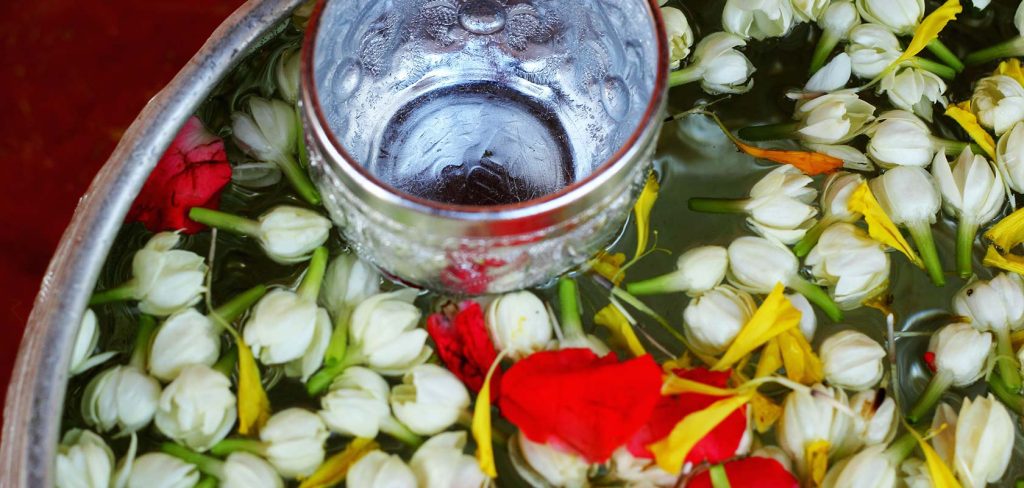
Happy Water Festival! It’s nearly time to celebrate Southeast Asia’s lunar New Year, internationally known as a region-wide water festival! From gently pouring water over Buddha statues as a sign of respect, blessing and good luck, to taking to the streets for hours of water splashing, the New Year is a must-see holiday for travellers from around the world. Read on for more tips and tricks on how to have a safe and happy New Year! Water Festival: It’s a New Year for Thailand, Laos, Myanmar and Cambodia Not only is the Water Festival a significant festival throughout Thailand, Laos, Myanmar and Cambodia, that marks the beginning of the new solar year and the start of the summer season, but also the beginning of the famous water fight frenzy! In Thailand, the festival (known as Songkran) is an occasion for family reunions, temple visits and annual house cleaning. Traditionally, people perform the Rod Nam Dum Hua ritual (Thai) on the first day of Songkran, which is officially the National Elderly Day. During the ritual, young people will gently pour fragrant water onto elders’ palms as a gesture of humility and ask for blessings. Ideally, the rest of the day is spent sharing quality family time together. Another important religious ritual on Songkran is ‘Bathing the Buddha image’, in which devout Buddhists pour perfumed water over Buddha statues both at the temple and at home. Visiting nine sacred temples during Songkran is also a common practice. In Bangkok, try making it to nine temples in the Rattanakosin area such as Wat Pho, Wat Phra Kaew, Wat Suthat Thepphawararam, Wat Chana Songkhram, Wat Boworn, Wat Benchamabophit, Wat Rakhang Khositaram, Wat Arun and Wat Kanlaya. Nowadays village- and city-wide water splashing events are also a big part of the holiday as people let loose, have some fun and seek much-needed respite from the heat. To survive the festival, take note of these helpful Do’s and Don’ts: Do’s Do give alms and make merit (or just witness the rituals if you are not Buddhist) Do use waterproof bags to protect your valuables Do watch your belongings Do use public transportation if you are heading to one of Songkran ‘hotspots’, as traffic will be paralysed Do try wishing the locals a happy new year in Thai – “Sawasdee Pee Mai!” Do smile and have fun Don’ts Do not douse monks, babies or the elderly Do not drive when you have been drinking Do not throw water with ice or dirty water Do not throw water at motorcyclists, to prevent road accidents