spotlight on Borneo parks
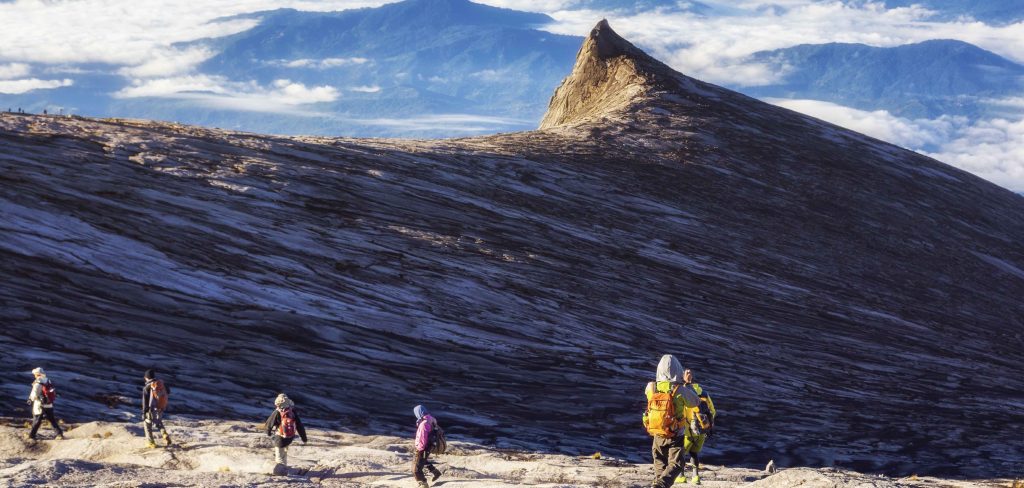
Filled with both stunning natural landscapes and unique wildlife in the heart of Southeast Asia lies the magical island of BORNEO. As the third-largest island in the world, Borneo is home to a number of national parks teeming with adventure, endangered animals and some of the oldest rainforests on Earth. Intrepid travellers explore the island where orangutans and proboscis monkeys roam the treetop canopies, discovering exotic species of plants and animals throughout the parks while Sabah and Sarawak have become top destinations due not only to their outstanding physical beauty but the kindness of their communities. Here the native people follow ancestral traditions and share them with visitors inviting you to further experience the region’s customs, food, and celebrations. Meet the Dayak tribes while passing through bewitching forests. Surround yourself with sun bears and hornbills. Breathe in the fresh air of the tropical rainforests and listen to the waves on Borneo’s idyllic beaches. While the country may be known for its wildlife and rainforests, its islands offer enchanting experiences both above and below the sea. Take time to unwind on pristine beaches, explore uninhabited lands, and dive into the ocean to discover an underwater world rich in sea life and full of colour. SARAWAK Bako National Park One of the smallest parks of Sarawak, yet one of the most interesting, Bako National Park features seven out of the nine types of forests found in the area. Covering nearly 3,000 hectares, the park is home to lush rainforest, abundant wildlife, white sandy beaches, panoramic rocky shorelines and an extensive network of hiking trails. As its intriguing treasures are only a short trip from Kuching, Sarawak’s capital, this park is also one of the most accessible parks to discover and close to a number of luxury accommodation options. Take a tour Gunang Mulu National Park Feel like one of the early explorers while adventuring through the gigantic karst caves of Gunung Mulu National Park. Named after Gunang Mulu, the second highest mountain in Sarawak, the park is home to astonishing landscapes and the largest known cave chamber in the world. The UNESCO-listed park, which is only accessible by plane, upholds a high standard of maintenance for its trails and accommodation options, while the numerous activities the park has to offer to reinforce its popularity even more. Take a tour Batang Ai National Park Batang Ai National Park is located in the ‘Heart of Borneo’, near the border of Indonesia. Covered with dense tropical forest and rivers, this park’s remote location can only be discovered by boat allowing travellers looking for adventure a unique reward – being fully immersed in untouched nature. The park provides shelter for a variety of protected species, including orangutans and hornbills, and is mostly inhabited by the local Iban who still lives in traditional longhouses and is strongly involved in the park’s management. Take a tour Kubah National Park Kubah National Park is one of the most visible and accessible parks of Sarawak due to its three mountain peaks and close proximity to Kuching. Besides being the richest palm habitat for its size anywhere in the world, Kubah National Park is home to an amazing array of plant life and bird species making it a must-see spot for nature lovers and bird watchers alike. The park also houses the Matang Wildlife Centre’s remarkable orangutan rehabilitation programme and is a popular filming destination being featured in “Farewell to the King” with Nick Nolte and “The Sleeping Dictionary” with Jessica Alba. Take a tour SABAH Kinabalu Park At 130 million years old, the impressive Kinabalu Park boasts the oldest rainforest on earth just a two hour drive from Kota Kinabalu, Sabah’s capital. The park offers a vast area of lush primary rainforest, considered to be one of the most important biological sites in the world, and was named Malaysia’s first UNESCO World Heritage Site for its “outstanding universal values”. Here visitors also come face-to-face with Mount Kinabalu, the highest mountain between the Himalayas and New Guinea. Take a tour Tunku Abdul Rahman National Park Known for its near-perfect year-round temperatures, along with excellent snorkeling and diving, Tunku Abdul Rahman Park is for water lovers and actually consists of five separate islands. While Manukan, Sapi and Mamutik Islands offer sandy coral beaches and shady trees, Gaya Island features unique hiking experiences, where travellers can trek through different types of vegetation zones, along with three luxurious resorts catering to those who fancy accommodation away from the city. The park is just a 10–15 minutes boat ride off the coast of Kota Kinabalu. Take a tour Turtle Island Park If you ever wanted to get up close and personal with gentle sea turtles, Turtle Islands Park is your dream destination. Comprised of three islands, Selingan, Gulisan and Bakungan Kecil, the park is a world-renowned spot for witnessing turtles come ashore at night to lay their eggs, particularly on Selingan Island and the nearby Libaran Island. With its Dive Resort, Lankayan Island is also a popular diving destination as the region’s clear turquoise-coloured sea and thriving coral reefs are ideal for swimming, snorkeling, and scuba diving. Take a tour
a day in a life of Mr. Sam So, Cambodian tour guide
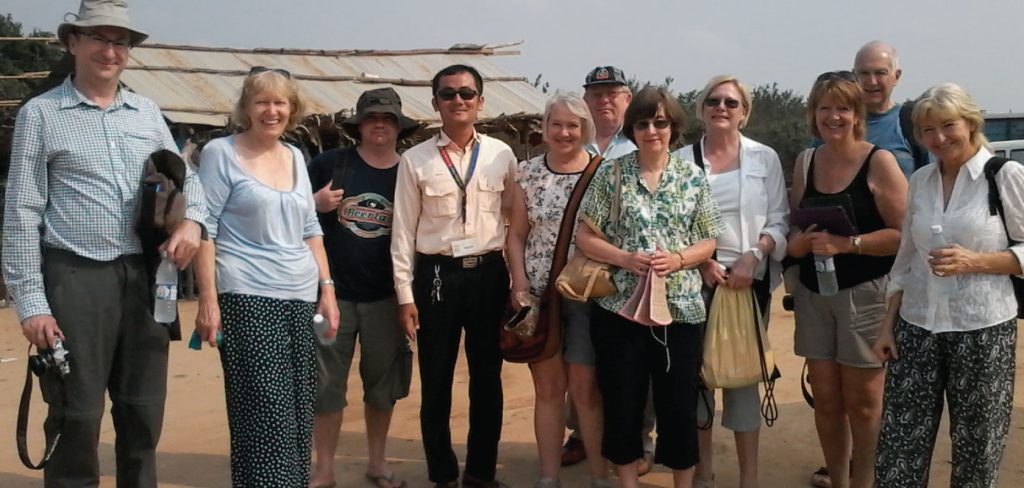
“PROUD TO BE PART OF THE DIETHELM TRAVEL FAMILY” Our guide in Cambodia, Sam So, loves working with the clients that his job connects him with. For years he’s dedicated his life to pursuing excellence in his work as a travel guide at Diethelm Travel Cambodia. Patient and jovial, Sam So’s welcoming face always wears a smile on the job. His expertise and charming personality ensure he garners great feedback from clients on an ongoing basis. Here’s what he had to share. Why did you choose to work with us? It had always been my dream! I was born in Siem Reap near the historical site of Angkor Wat. I frequently saw signs around advertising Diethelm Travel ever since the company was first established in town and I knew I wanted to become a tour guide with the company to share my love of Cambodian culture with others. I graduated high school in 1998 and then completed tour guide school. In addition to studying tourism, I also learned about Khmer history and that of the Angkor Site. The next year I became a freelance tour guide for Diethelm Travel and Insight Cambodia (their sister company). In 2003, my vision of being a permanent tour guide for Diethelm Travel became a reality! I chose this company because I truly believe we are the best and am honoured to work for Diethelm Travel as a guide as long as I can. I love my job, and bring my passion and commitment to work each day. Why did you want to become a travel guide? Working as a travel guide allows me to learn new things all the time. I get to show guests many parts of this beautiful country and share my love for Cambodia with them. What is your favourite part about working with travellers? I really enjoy connecting with travellers and telling them about daily life here in Cambodia — the past and present, as well as cultural traditions and historical sites. And I’m able to help them better understand the civil war that happened here, which I lived through. What is your favourite destination you recommend others to visit and why? In my country, there are many beautiful places that travellers can visit. My favourite is Preah Vihear, a World Heritage Site located on Dangrek Mountain, near the border of Thailand. On the way to visit the temple, there are stunning vistas that show off the Cambodian scenery. When travellers reach the top of the mountain they can see the landscape between Cambodia and Thailand. What do you do when travelling long hours with guests? How do you keep the guests, and yourself, entertained? I try my best to observe the guests’ needs and feelings. This includes making sure they understand the length of time we’ll be spending in transit, and making regular stops so they can enjoy the landscape along the way. We always try to visit interesting places so guests can take pictures of the scenery. For example, we show guests how villagers make local products and introduce them to real Cambodian daily life. Travelling from one destination to the next is anything but boring! I also share my own knowledge of local culture as well as my own stories — like what my traditional Khmer wedding was like and show photos from it. I also often offer to sing a Khmer song as a special gift to the group. Can you tell us your most memorable trip with guests? One of my favourite guests has been to Cambodia five times! He always chooses Diethelm Travel and I am always his guide. We first became friends back in2009. Since then he’s helped many poor Cambodian children attend school. Specifically, he donated money so that two students could finish their university studies, and others he supports are still making their way through primary, secondary and high school. Because this guest contributes to the education of Cambodians, he’s the most memorable to me. I thank him for his generosity! What makes a good professional tour guide in your opinion? I believe there are many things that make a good professional guide. You must love the job, be a hard worker, and have a good understanding of what guests want. You also need to know a lot about the place, and be able to provide warm traditional Khmer hospitality (like smiling, offering insightful tips, etc.). It’s also important to make sure every guests’ needs are met and that no detail goes unnoticed by checking over all aspects of the tour (such as arrival and departure times) to ensure correct information. A great tour guide does their best to make sure the guests enjoy their holiday and bring back memories to treasure forever. What do you do before a tour starts? What do you have to prepare? I always look over the programme details before the client arrives. Prior to the tour starting, I explain to all guests the correct dress code for religious sites and temples. And I tell the driver about meeting times and places. Lastly I check that guests have access to water, tissues and other basic necessities at all times. What items do you normally carry with you during the tours? I keep the tour programme, maps of the city, country and Angkor site to show guests. Also, I carry plastic bags so guests have a safe place to store their temple tickets. Having a pen is important to write down any questions or requests that guests might have; for example, if a guest is vegetarian I will note that down to tell the tour company or restaurant. I also always have a phone to be able to contact our driver, restaurants and other businesses so the tour goes smoothly. Why do you think guests prefer to have professional personal guides? What do you think are the benefits? Professional guides have a lot of experience, knowledge and
beyond Angkor
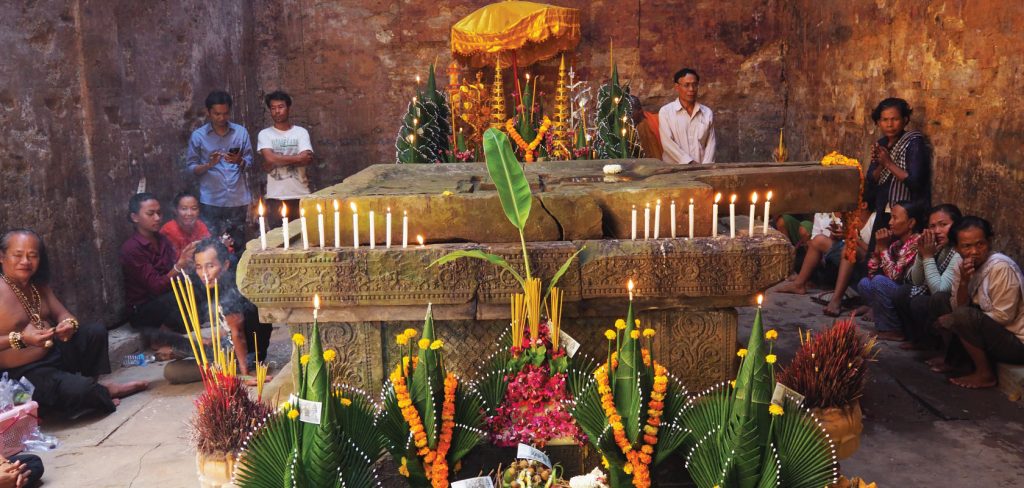
Though Angkor takes centre stage, Cambodia is home to other significant sites, such as Sambor Prei Kuk and Preah Vihear, which are also UNESCO listed. As the most important site in 6th- to 7th-century Southeast Asia, the pre-Angkorian Sambor Prei Kuk still shows its complex city planning. The important ancient capital introduced the King-God concept, the widespread use of the Khmer language and essentially paved the way for the Angkorian Khmer kingdom. Prasat Preah Vihear, on the border of Cambodia and Thailand, is one of the best-preserved Hindu temples from the Angkor period thanks to its remote location and relatively few visitors. Siprang Srinarintranon, Diethelm Travel’s Group Director of Marketing, visited both spots during an 8-day journey through the Kingdom and shares what made these sites so special to experience. Sambor Prei Kuk After a 30-kilometre drive from Kampong Thom we arrived the site! With no other tourists around, we started to walk and I could already see that this was a remarkable place. Spotting an old pagoda covered by t he tree was just the beginning of all amazing temples we were going to see. Strolling to the next pagoda, we saw locals standing outside and could hear a ceremony taking place – we wanted to go in and witness the festivities! When we went in, the locals were having a ceremony to pay respect to spirits. I asked why they chose this pagoda and they said it depends on the belief of each family. Afterwards, our guide led us through the rest of this incredible site. He knew exactly where and how Sambor Prei Kuk should be explored. We would have been lost on our own! [showimage url1=”https://www.diethelmtravel.com/wp-content/uploads/2018/05/Why-cambodia-deserves-more-time-to-be-explore_Sambor-left01.jpg” url2=”https://www.diethelmtravel.com/wp-content/uploads/2018/05/Why-cambodia-deserves-more-time-to-be-explore_Sambor-right01.jpg”] Preah Vihear Preah Vihear temple is located on top of a hill so we took a pickup truck to get up there. Even after the drive, there’s quite a long uphill walk to get to the actual temple. There are four different levels of the temple but it is beautiful along the way and there is a cool breeze at the top. (Long pants and comfortable shoes are highly recommended!) At the end of the walk, we were rewarded with this stunning view and cool breezes. Of course, we stopped for photos before walking back . The guide was very smart and instead of letting us walk back to the same path, he took us to walk at the other side. It is always good to come with the local; we wouldn’t have known the alternate route otherwise. [showimage url1=”https://dth.stagingurls.com/wp-content/uploads/2018/05/Beyond-Angkor_Preah-VIhear-left02_01.jpg” url2=”https://dth.stagingurls.com/wp-content/uploads/2018/05/Beyond-Angkor_Preah-VIhear-right02_01.jpg”]
Uncovering Cambodia and why the country deserves more time to be explored
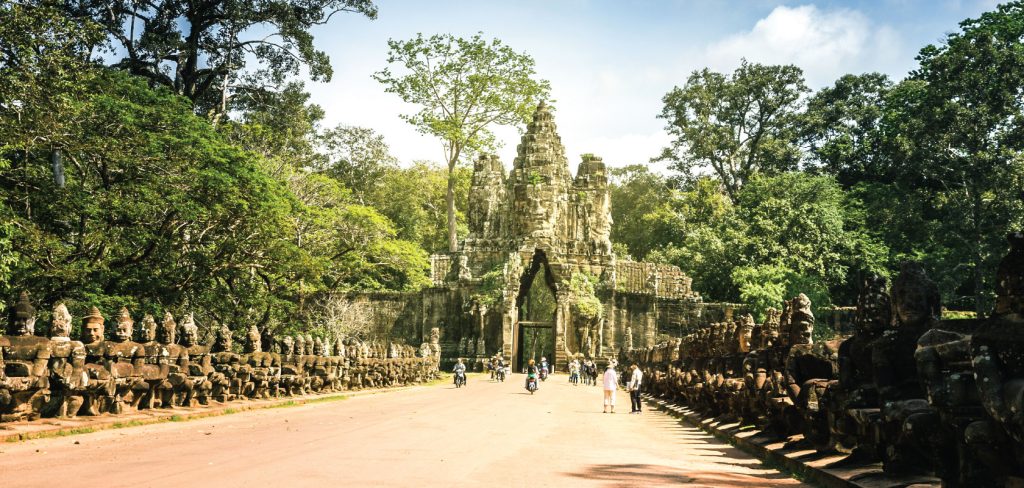
Though often known for the indescribable significance of Angkor Wat or unbelievable horror of the Khmer Rouge, the Kingdom of Cambodia is much more than its two most prominent pieces of history. Sandwiched between Thailand, Laos, Vietnam and the Gulf of Thailand, Cambodia has a long and complicated history ranging from the power of the Khmer kingdom centuries ago to the destruction of the Khmer Rouge mere decades ago. Today, the country is still rebuilding itself with most of its inhabitants working in rural agriculture. While the past is still present, modern-day Cambodia is not chained by its hardships and is home to a unique blend of simplicity and sophistication, age-old practices, and avant-garde art and culture that is fueled by the country’s creatives reclaiming their heritage while looking ahead to the future. The average length of stay for tourists in Cambodia is only three days as Cambodia is often sold only as an extension of Siem Reap to travellers coming from Thailand, Laos or Vietnam. Although Angkor is certainly essential, one cannot miss visiting the Angkor Archaeological Park, there is so much more to the country than Angkor Wat and Siem Reap! A recurring lament we hear from travellers crossing into Cambodia from Vietnam and Thailand is that they regret not having spent more time in Cambodia. Cambodia has a lot to offer and its authentic, friendly atmosphere found throughout the country stands out even for seasoned travellers. Reasons why Even more temples The temples of Angkor aren’t the country’s only historic ruins. An array of remote temples scattered across the country are worth a detour including two other UNSECO World Heritage sites: Sambor Prei Kuk and Preah Vihear temple. Beautiful nature While some of the country is dry, other parts boast the lush jungles, well-preserved national parks, teeming wildlife and tumbling waterfalls travellers have come to expect from tropical Southeast Asia. Untouched islands Cambodia’s paradisiacal islands have all the appeal but none of the crowds you’ll find in neighbouring countries. The people! The Thai smile may have gained international fame, but the Cambodian people are just as charming and gladly welcome guests with genuine hospitality. Local life Besides the growing cities of Phnom Penh, Siem Reap and Sihanoukville, the rest of the country is still very undeveloped offering an authentic look into both Cambodia’s past and current way of life. Excellent value for money Restaurants and nightlife offer great value for money…even more so if you dare to Go Local. [showimage url1=”https://www.diethelmtravel.com/wp-content/uploads/2018/05/Why-cambodia-deserves-more-time-to-be-explore-left01.jpg” url2=”https://www.diethelmtravel.com/wp-content/uploads/2018/05/Why-cambodia-deserves-more-time-to-be-explore-right01.jpg”] [showimage url1=”https://www.diethelmtravel.com/wp-content/uploads/2018/05/Why-cambodia-deserves-more-time-to-be-explore-left02.jpg” url2=”https://www.diethelmtravel.com/wp-content/uploads/2018/05/Why-cambodia-deserves-more-time-to-be-explore-right02.jpg”]
How to Choose an Ethical Elephant Experience in Thailand
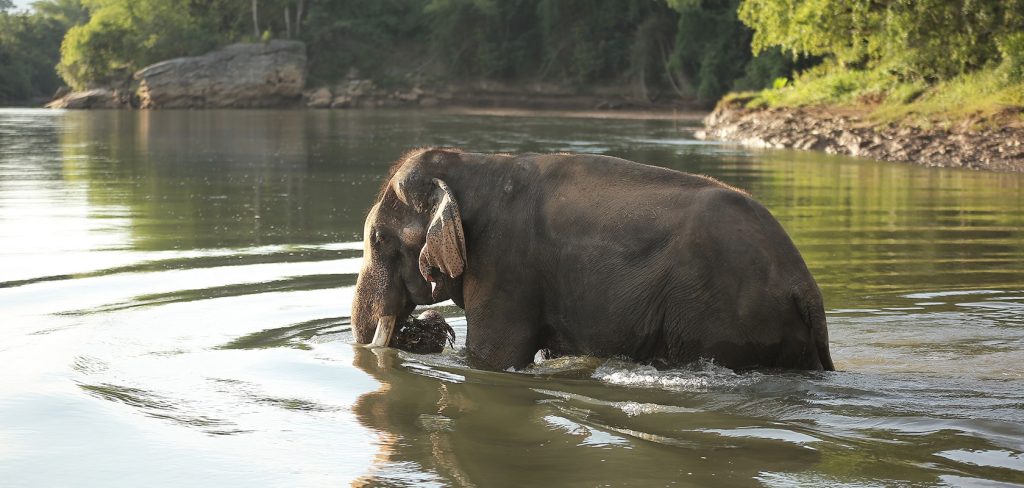
When visiting Thailand, one of the activities many visitors most wish to tick off their bucket list is a chance to interact with elephants. Elephants have a special significance in Thai culture and have long worked alongside its people, but for years now, they have been banned from the logging trade in which they traditionally worked. Seeking an alternative means of income, many of their mahouts have turned to the tourism business. While this has allowed Thailand to conserve the species by maintaining a large captive population, not all elephant parks treat these gentle giants with the same level of care, and many employ exploitative and cruel practices. If interacting with elephants is on your list of must-do activities, educate yourself and be sure to choose an ethical elephant experience in Thailand with these five things to look out for. Avoid riding the elephants While this practice is unfortunately still commonplace, it is extremely harmful to the health of elephants. Elephants may be capable beasts of burden, but they were never meant to carry full-grown adults and a heavy metal saddle for hours day in and day out. The most careless of elephant camps may even leave the saddles on overnight, leading to severe back problems for the poor elephants. While some camps and sanctuaries will allow you to ride the elephant bareback, the conditions under which this is done varies; it’s best to avoid riding them at all. Pet them, bathe them, let them muss your hair with their trunks…there are many ways to enjoy their company without mounting them! No tricks or performances In order to tame such a large creature and make it submit to the demands of a small human, violent methods are used to “break” them, often from a very young age, in order to make the elephants submit. Any elephants which engage in unnatural behaviours, even those as innocent as waving a paintbrush, have likely been through this cruel process known as “the crush.” Any experience where elephants can be seen performing for audiences by crossing tightropes or playing soccer should, therefore, be avoided. Watch out for bullhooks One of the ways in which an elephant is “broken” or reprimanded is through the use of a bullhook. This large metal hook is used to stab the elephant, often in tender areas such as behind its ears, to instill a fear of humans and make it more compliant. Any elephant experiences which make use of bullhooks are likely coercing the elephants to behave unnaturally and should, therefore, be avoided. If you are interacting with an elephant and notice broken skin or open sores, this may indicate that a bullhook has been used. Superficial scratches on the elephant’s skin are common, however, and the product of passing through dense forest cover or liberal use of a tree as a back-scratcher (a charming and highly relatable sight). Make sure the elephants have access to the environment In the wild, elephants spend most of their day foraging because their primary diet is of leaves and grasses, which are very low in nutrients. In captivity, bananas, sugarcane and other fruits often supplement their diets, but these basically amount to elephant junk food. An ethical elephant camp will give the elephants access to the environment for most of the day so that they may adequately forage. Elephants typically don’t sleep much, and nighttime is valuable time for eating and socialising. Those that responsibly care for their elephants will not chain them up in a concrete pen, but rather loosely chain them so that have access to grazing at night but are still prevented from wandering into the neighbour’s garden to gorge themselves on stolen bananas. Elephants need friends and ample time to socialise Elephants are highly intelligent creatures with complex emotions and strong social bonds. Socialising and maintaining friendships is an important part of an elephant’s welfare, so an elephant which is chained up or isolated from its fellows will not be emotionally healthy. Experiences which keep an elephant alone or separated from its fellows should, therefore, be avoided. Young calves should also not be separated from their mothers, and any baby elephants found on their own are likely poached from the wild. Be sure to patronise elephant experiences which let their elephants spend time socialising, playing and just being elephants. Elephants are majestic creatures, and for all their size, can be incredibly sweet and tender beasts. No one can be faulted for wanting to see and interact with these gentle giants, but it is important to do your research and participate ethically. Tourism is what allows Thailand to maintain a large population of elephants since there are inadequate wild spaces for them to live, so it is an important part of this species’ conservation. You can rest assured that any elephant experiences organised through Diethelm Travel will be ethically responsible and support elephant conservation. Our 3-Day Elephants in the Wild private tour outside of Chiang Mai even allows you to visit and ‘glamp’ in the elephants’ natural habitat, marvelling at the magnificent creatures while allowing them to still thrive in natural surroundings. For reservation or more information. Please contract us here.
4 Hidden Gems Just Outside of Bangkok

The ‘Big Mango’ is known for its hustle and bustle, exotic sights and sounds. Though a vibrant city – with shopping, dining and nightlife offerings which rival any cosmopolitan destination – Bangkok also has a quieter side. When you’re surrounded by towering condo blocks and jam-packed traffic, it might seem like the city sprawls endlessly. Less than an hour’s drive out of the Thai capital, however, life feels very different. Exploring these four hidden gems just outside of Bangkok will allow you a glimpse of the rural side of Thai life and a look into the country’s long-held traditions. 1.Enjoy a scenic ride past rice paddies While many head north or east to catch a glimpse of Thailand’s rice paddies, you don’t have to go far out of Bangkok to behold this sight. More than just a staple crop, rice planting cycles with the seasons and dictates the rhythms of rural life. Take a ride on the open-air 3rd class train to Mae Klong and enjoy the scenic ride, if you board the first train of the day, you can beat the heat and the crowds. Upon arrival, catch a glimpse of the infamous Mae Klong Railway Market. Daring vendors set up shop right alongside the tracks, dashing away with their wares when a train comes speeding by before nonchalantly returning to their posts. These hawkers aren’t so much daredevils; here it’s just how you do business. 2.Explore a palm plantation and indulge your sweet tooth After the market, get to know another local way of life. Vast forests of palm trees cover this area, and you can visit a local enterprise that produces palm sugar. Made from the sweet, watery sap that drips from cut flower buds, the sap is collected each morning and boiled in huge woks until a sticky sugar remains. Learn about the process and have a turn stirring the thick, syrupy wok. Ask nicely, and you might get a taste of the day’s labour. 3.Visit canal communities by longtail boat You’ve more than likely seen pictures and postcards of Bangkok’s most famous market, but nothing beats the charm of actual exploring the Damnoen Saduak floating market. The best way to experience the market is to arrive by longtail boat and wind through the canals, passing traditional houses and plantations. While it’s a vast concrete jungle now, the entire city of Bangkok was once crisscrossed with such canals. 4.Meet local farmers and enjoy a brief homestay Many of Thailand’s people hold close ties to land workings as farmers and food producers. Outside of the city, it’s easy to learn about the essential herbs, spices and vegetable used in Thai cooking in an authentic atmosphere. From rice and palm sugar to dried fruits and important herbs, getting to know the country’s flavours and ingredients will open a door to its entire way of life. Diethelm Travel’s Full Day Markets & Thai Community Lifestyle tour is the perfect chance to see another side of Bangkok you would never experience while soaring on the Skytrain or speeding by on a Tuk Tuk. Just outside of Bangkok are hidden gems which demonstrate the slower side of life that is still enjoyed in Thailand. Book your excursion today to get a taste of it.
Discover Sri Lanka – a land steeped in beauty, history, nature and culture.
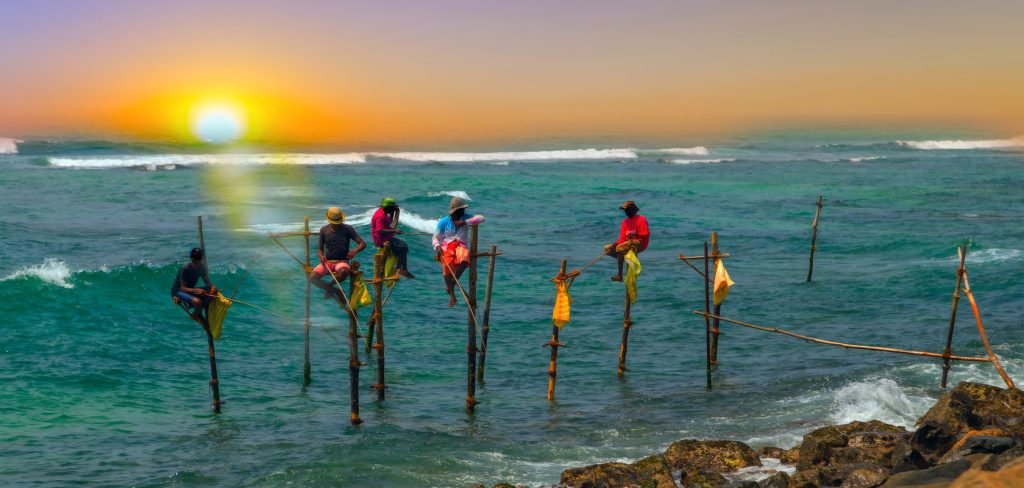
Discover Sri Lanka – a land steeped in beauty, history, nature and culture. From rural rainforests to sandy beaches, ancient ruins to modern towns, colourful culture to tasty cuisine, the island formerly known as Ceylon continues to attract travellers to its shores just as it’s been doing for thousands of years.
working together underwater for a better world
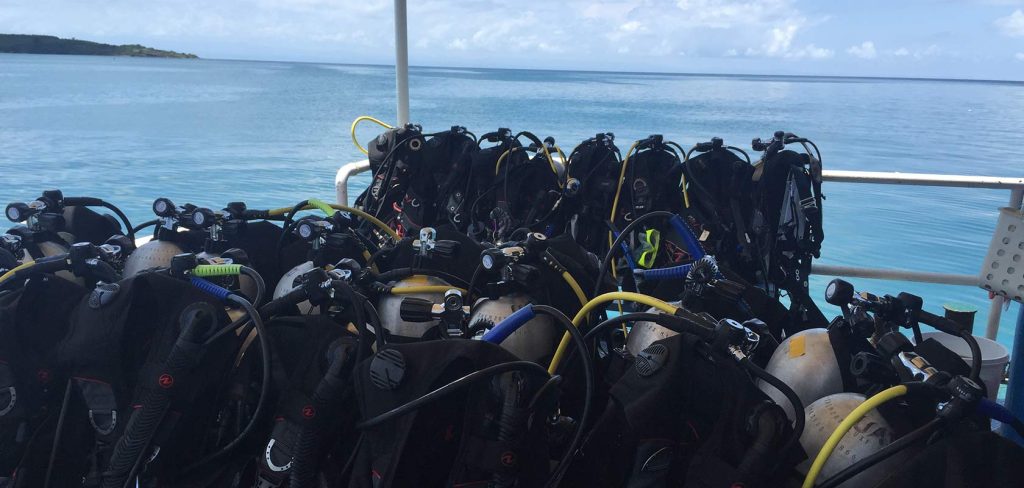
Napason Wetchapram, or Wai, works in the Diethelm Product department and is the team’s CSR Ambassador, always on the lookout for another way to help or give back. Recently she went on a dive to help collect trash and clean the seas. Scuba diving is a great way to travel and have fun for adventure lovers. I’ve always loved discovering the world underneath the water but recently enjoyed it even more as I was able to help give back to the ocean. More Than Scuba Diving Camp For the past four years, I’ve joined an Underwater Archaeology Training Camp, operated by Silpakorn University, professional archaeologists and Royal Navy, to learn how to dive and survey underwater shipwrecks. While I’ve enjoyed each year participating in the programme, I especially appreciated my experience this past July when, before leaving the island, we voluntarily collected underwater rubbish. [showimage url1=”https://www.diethelmtravel.com/wp-content/uploads/2017/11/Trash-Collecting-L02.jpg” url2=”https://www.diethelmtravel.com/wp-content/uploads/2017/11/Trash-Collecting-R02.jpg”] Koh Rang and its Surroundings As part of the camp, I stayed for 10 days in Rang National Park Island, not far from the popular Koh Chang in Trat. Each morning after a beach run, the group would head to the boat, spend all day onboard and diving, then in the evening return to the island for dinner and spending the night. Along with our group, there were also a lot of tourists stopping by for snorkelling every day and there’s no doubt that even being careful we collectively dropped rubbish and left the island dirtier than we found it – both on land and under the sea. [showimage url1=”https://www.diethelmtravel.com/wp-content/uploads/2017/11/Trash-Collecting-L03.jpg” url2=”https://www.diethelmtravel.com/wp-content/uploads/2017/11/Trash-Collecting-R01.jpg”] Time to Give Back On the last day before we headed back to the mainland, all cabins including camp staff, students, members of the navy and underwater archaeologists, put on our scuba gear once again then jumped into the 10-metre-deep water around the pier with a big basket in hand to collect trash like fabric, spoons, soft drink cans, plastic containers, beer bottles and even engine parts. Working in pairs, one person would hold the basket while the other picked up rubbish from the ocean floor, then we helped each other to carry the heavy trash up to the surface where a camp staff member was waiting to collect the baskets and put rubbish bags on a trolley to take back with us to the mainland. Along with helping me become a better and more experienced diver, this camp always teaches me to appreciate the underwater world and that it’s better to work as a team. When sharing a common goal to do good, we can accomplish much more together than on our own. It’s also important to take care of our environment and be aware of how our choices or actions affect nature and wildlife. Please visit Our people, our world, our action to learn more about eco-friendly and sustainable experiences from Diethelm Travel.
tried & tested: Koh Kong Discovery
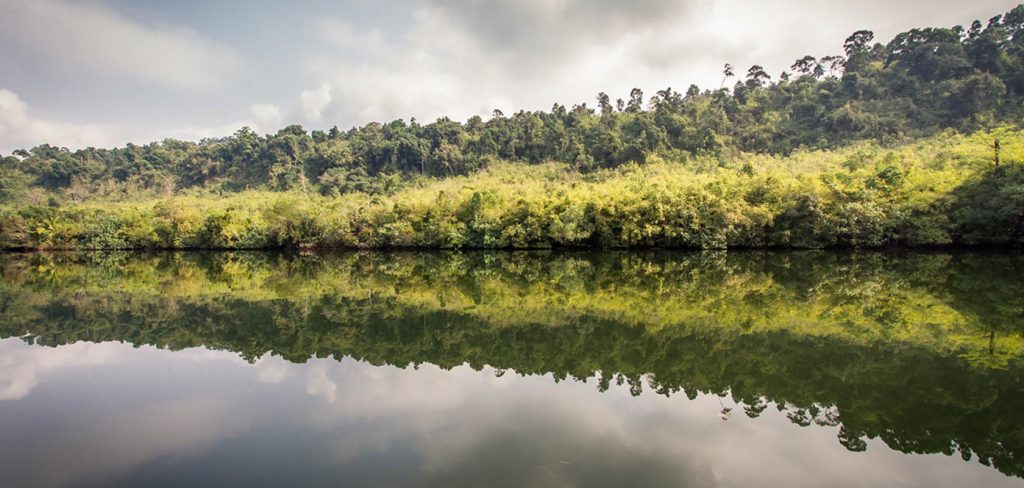
Diethelm Travel Cambodia’s Managing Director, Ronni Dalhoff, and Country Manager, Marek Lenarcik, recently went for an inspection trip to Koh Kong to explore the island’s range of accommodation, Chi Phat, 4 Rivers Floating Lodge and Rainbow Lodge. Here is their report in detail: DAY 1 – Phnom Penh – Chi Phat We left Phnom Penh at 8:00 hrs and it took about five hours to drive to Chi Phat. We took a break for lunch at “The Stop” – a relatively new western-style pit stop, which should satisfy all clients. We took Road No. 4, which is known for being pretty narrow and has a lot of traffic. The traffic gets significantly sparse after the fork for Sihanoukville and Koh Kong. The roads in Koh Kong are nicely maintained and much more pleasant to drive than Road No. 4. Two kilometres before Andoeung Tuek we turned right onto a clearly marked dirt road leading to Chi Phat. Chi Phat has changed over the years and now offers plenty of homestays, bungalows, guesthouses, local-style shops and restaurants. Given that it was a low season, it was surprisingly busy. More than 20 people attended the communal dinner in the evening. We stayed in new, simple bungalows with a fan, no electric sockets and cold shower. We went for a walk to a nearby waterfall. There are plenty of other activities, which can be organised on the spot. DAY 2 – Chi Phat – Koh Kong – 4 Rivers In the morning we drove to Koh Kong town, took a stroll around the mangrove forest and discovered a new resort located just next to Mangrove forest. It’s named Mangrove Sanctuary Resort and is pretty simple (2-star). Please contact us for the rates as we already have them. After lunch we drove to the 4 Rivers Floating Lodge’s reception and took a boat to the resort. 4 Rivers Lodge is a 3- 4-star place, which falls into a category of “experiential luxury”. DAY 3 – 4 Rivers – Rainbow Lodge On the next day we took a boat to the Tatai Waterfall and continued on to the Rainbow Lodge. On one hand Rainbow Lodge is much simpler than 4 Rivers, which is also reflected in the lower rates. On the other it’s much more authentic and doesn’t pretend to be anything more than very natural, eco-friendly simple bungalows in the middle of the jungle. The type of clients that would enjoy this place the most are adventurous people and families with children who want to disconnect from civilisation and spend time surrounded by a tropical rainforest. Rainbow Lodge offers a number of activities in the area comprising mostly of trekking and boat trips. The lodge is undergoing a massive renovation with a substantial bungalows upgrade. We should hear about it more in the coming months. DAY 4 – Rainbow Lodge – Phnom Penh It took us about six hours to come back from Rainbow Lodge to Phnom Penh. We stopped on the way for lunch at Picnic Resort, which has a nice ambience with very local food. The menu requires an update as it should say “Chicken bones with traces of chicken in a curry sauce” instead of “Hot & Spicy Chicken” To sum up, we loved our trip to Koh Kong and believe that the province has a huge potential for all the off-the-beaten path adventure lovers. If jungle, mangrove forests, river, nature and mountains are your thing then Koh Kong is for you! get to know Cambodia’s up-and-coming Koh Kong For individual group bookings or enquiries, please contact us here.
get behind the wheel of your very own tuk tuk in Thailand!

Known for their revving motors, colourful paint jobs and entertaining rides, tuk tuks are an iconic symbol of Thailand. Now travellers can do more than simply hire a tuk tuk for a quick ride around town and actually get behind the wheels themselves! Recently Christian Sutton, Diethelm’s Director of Product & Contracting for Thailand went on this wild ride himself and here shares what it was like to drive one of these iconic three-wheeled rickshaws. I’ve heard of plenty of tuk tuk tours offered in Thailand but the idea of actually driving my own tuk tuk sounded like an opportunity not to miss. Apart from being very excited about the idea of driving my very own tuk tuk, I was also a bit nervous as, living in Bangkok, I’m used to the busy streets of Thailand’s capital. My reservations were quickly laid to rest however as none of the driving takes place in urban areas and instead is along the quiet back roads just outside of Chiang Mai. Along with two colleagues, we were picked up from our Chiang Mai hotel by minivan and drove about 45 minutes out of the city to the beautiful Mae Wang area to meet our tuk tuks for the day. Our first job was to learn how to drive these three-wheeled machines. We practised on a local football field and it was a bit like a driving test as we drove around the track learning how to use the gearbox and going in and out of traffic cones. Tuk tuks are interesting to drive because they are a cross between a motorbike and a car; there’s a gear stick between your legs, a clutch by the left foot, a brake by the right but also a throttle used by your right hand like a motorbike. It took me a few circuits to stop using the brake as an accelerator (!) but after about 30 minutes I felt ready to head out on the quiet country roads. Before we did so, our guide gave us a thorough safety briefing and said that he only lets people on the roads if they are ready to…then we were off! [showimage url1=”https://dth.stagingurls.com/wp-content/uploads/2017/07/Compressed.jpg” url2=”https://dth.stagingurls.com/wp-content/uploads/2017/07/Victor_DiethelmTravel_TukTuk.jpg”] Our first bit driving was through some windy quiet roads and we all drove in a convoy with the lead vehicle out front and another guide tuk tuk at the back, kind of like of bicycle tour. The backdrop in this part of northern Thailand is simply stunning, especially as we stopped at a local temple and climbed the hill to see the views of Chiang Mai in the distance. The temple was incredibly peaceful and we didn’t spot any other tourists, just local Thais and monks. As the next part involved a bit more driving on a slightly busier road (we actually saw other signs of life!) the three of us travelled in one tuk tuk which worked out really well as one could drive whilst the two in the comfy seat at the back could relax, take pictures and simply enjoy the ride. We swapped positions every 20 minutes or so as we made our way up the small inclines at the bottom of Doi Inthanon, Thailand’s highest peak. We climbed gradually at a slow pace making stops for some unbelievable photo opportunities. The roads were quiet but the few people in cars that we did see seemed astounded to see foreigners driving tuk tuks up a mountain – many even stopped to take photos of us! There were lots of smiles and friendly conversation between the passersby and our guide… although I suspect that some of the smiles might have been meant for me as they saw me struggling with my gearbox up a steep climb. I can now admit to my two colleagues who I did the trip with that, yes, they were better than me! [showimage url1=”https://dth.stagingurls.com/wp-content/uploads/2017/07/Viewfromtheride.jpg” url2=”https://dth.stagingurls.com/wp-content/uploads/2017/07/Oscar_DiethelmTravel_TukTuk_2.jpg”] After stopping for a tasty local lunch (when isn’t local food tasty in Thailand?!) we arrived at a lovely elephant home. Here we learnt all about how the knowledgeable owner has changed his elephant experience in recent years and now doesn’t offer riding on any of his elephants, a change in practice that Diethelm Travel fully supports as none of our elephant experiences include riding either. We didn’t have too much time to visit, but during Diethelm’s new Northern Thailand Self-Drive Tuk Tuk Adventure day trip guests are able to even help bathe the elephants after meeting with them and walking through the jungle. During the day tour, after waving good-bye to the elephants guests then change modes of transport for an hour moving from a tuk tuk to a bamboo raft to float gently down the river – a leisurely way to travel! The final hour of our trip was spent driving back to the starting point. For us this was probably the most fun part of the entire experience as we felt most confident after a day of driving. We arrived back in Chiang Mai in the early evening pleasantly exhausted after an exhilarating and incredibly fun day out! [showimage url1=”https://dth.stagingurls.com/wp-content/uploads/2017/07/Victor_DiethelmTravel.jpg” url2=”https://dth.stagingurls.com/wp-content/uploads/2017/07/Oscar_DiethelmTravel_TukTuk.jpg”] Diethelm’s one-day tuk-tuk tour is perfect for those who have a sense of adventure and are after something truly unique on their holiday in Thailand. For those who have a bit more time, I highly recommend our longer 5- and 11-day itineraries where you get to explore more of the most beautiful parts of Northern Thailand, such as Mae Hong Son and Pai. Even better, the longer trips take the journey at a leisurely pace (some days there isn’t any driving involved and you can just to relax by the pool), which is important for many on their well-deserved vacations! Ready to get behind the wheel of a tuk tuk yourself? Learn more about the new Northern Thailand Self-Drive Tuk Tuk Adventure here: Northern Thailand Self-Drive Tuk Tuk Adventure 5-day Northern Thailand Self-Drive Tuk Tuk