join Diethelm Travel in supporting FOUR PAWS’s work to protect tourists, communities and animals”
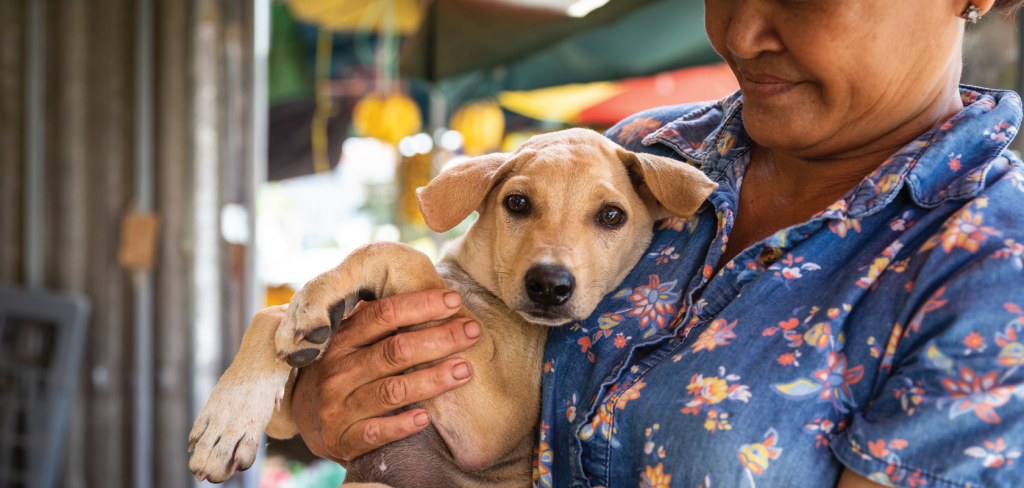
At Diethelm we care for initiatives that are close to people’s heart and to ours. And are concerned not only for the welfare of our customers but also for welfare of the communities and animals in the destinations you visit. This is why we fully support FOUR PAWS and their work to end the dog and cat meat trade in Southeast Asia. We are delighted to let our community know that, we are fully engaged with animal welfare and we have gladly signed FOUR PAW’s Tourism Industry Pledge to protect the millions of dogs and cats that fall victim to the dog and cat meat trade each year. But this is about so much more than only dogs and cats. It broke our hearts to know that these dogs and cats are headed for a terrible end, but it also worried us to know that the trade poses a risk to the health of millions of people, including travellers to the region. This trade’s existence relies on unregulated slaughterhouses, cross-border transport of stolen animals, and inadequate hygiene practices. It has already been connected to outbreaks of rabies and cholera. By ending the dog and cat meat trade we can minimise the risk of another global disease outbreak. What do we like most? What we admire the most from FOUR PAWS’s work in South East Asia is their direct work with communities to end the trade: They work with local communities to change local behaviour towards dogs and cats and also lead workshops on how to take care of pets. They reduce the stray dog and cat population thanks to their free spay/neuter and vet care services. They rescue and rehome dogs and cats, giving them a second chance in life. Like dear cat Meow, who was found outside of a hotel in Hoi An, Vietnam. He had been caught in a trap set up by cat thieves for the cat meat trade but was able to escape and taken to a FOUR PAWS rescue center. You can read his rescue and rehoming story here. And thanks to their hard work in the last years, Siem Reap (Cambodia) has become the first Cambodian province to ban dog meat in the country. Well done! You can read more here. Does this convince you too? If it does… we invite you to join us! [showimage url1=”https://dth.stagingurls.com/wp-content/uploads/2020/09/Web_a-picture-of-a-white-cat-looking-back-at-the-camera.jpg” url2=”https://dth.stagingurls.com/wp-content/uploads/2020/08/Web_A-picture-of-two-vets-taking-care-of-a-dog.jpg”] The RESCUE OF LUCKY (story by FOUR PAWS) It is impossible to rescue all the animals in need but FOUR PAWS works with local rescue groups to save as many animals as possible from the trade and provide them with a loving home. This is just one of the stories that keep our hope and spirits up: During a neutering project in the capital city of Phnom Penh, the team received a report of rampant dog meat trading involving multiple restaurants and traffickers. Our team left early in the morning and made the two-hour trek to Takeo Province, where we discovered a small non-descript road-side restaurant. At first glance, it looked like any other restaurant, but on closer inspection, we quickly learned its true identity. The restaurant was a place frequented by dog traders and thieves to sell their daily catch of stolen pet dogs. It also served as the main supplier of dog meat for other restaurants in the area. Soon after arrival at the restaurant, the owner went out back and proceeded to kill one of the smaller dogs in the cage based on a customer’s order. She was cowering as she was grabbed and dragged out of the cage. After witnessing this process, we knew we had to try to save the dogs. (Continue to see how we rescued Lucky) Working together with travel businesses If you are a travel business sending people to Southeast Asia, FOUR PAWS invites you to be a part of their campaign by adding your company’s name to the Tourism Industry Pledge, just as we did, and join this great cause. Find out more here. [showimage url1=”https://dth.stagingurls.com/wp-content/uploads/2020/08/Web_A-picture-of-a-group-of-students-with-a-dog.jpg” url2=”https://dth.stagingurls.com/wp-content/uploads/2020/09/Web_a-picture-of-a-buffalo-bear-swimming-in-a-pond.jpg”] What more do FOUR PAWS do to protect animals? We did not choose FOUR PAWS only for their work with companion animals, we trusted them because we know their work in animal welfare and how they fight for more humanity for animals; making sure we live in a world where humans treat animals with respect, empathy and understanding. This humanity is shown in each and every project: The FOUR PAWS Sanctuaries, where rescued wild animals are taken care of and given a second chance of life in a species appropriate environment. The Orangutan Forest School where Dr. Signe Preuschoft and team provide a natural living space for young orangutan orphans, who are taught essential forest survival skills through therapeutic and rehabilitative methods to ensure they can go back to the wild. Let us not forget their work to change and improve conditions of farm animals such as cattle, ducks, poultry, pigs and sheep. So many good causes and so many projects we would like to support. What we do know is that we are happy to be working with an organisation that fights for greater humanity for animals. We hope you support them too. FOUR PAWS cannot end this trade without your help. Diethelm is calling for the support of other travel businesses that also wish to protect dogs and cats in Southeast Asia. Please join us! If you would also like to make a donation to FOUR PAWS’ amazing work to protect dogs and cats, please visit their webpage: Protecting Millions. Thank you for joining Diethelm Travel and FOUR PAWS. Together, we can protect millions of cats, dogs and people in Southeast Asia.
uncover Asia travel information and inspiration for a new age of exploration
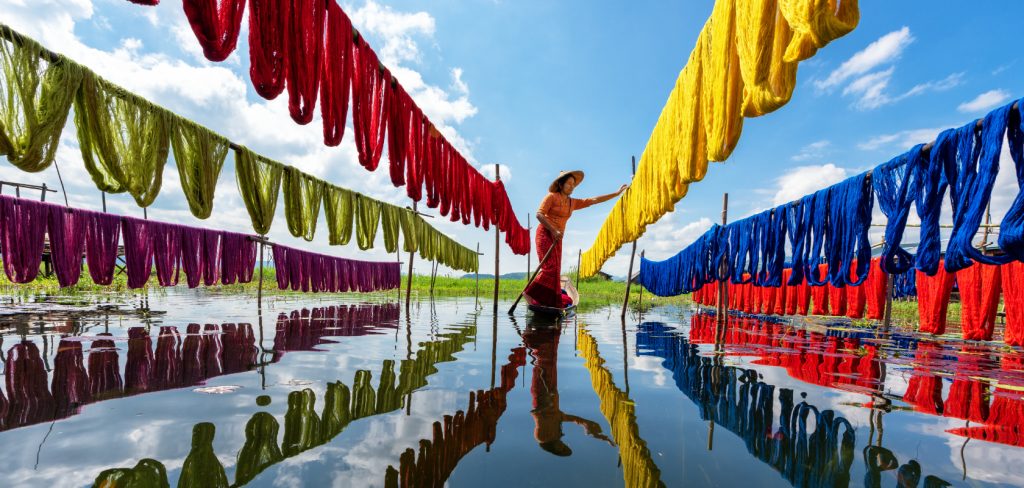
Latest Diethelm Discovery Issue Looks Forward to Travel After Border Closures BANGKOK: 18 August 2020 – Diethelm Travel Group, an award-winning inbound tour operator servicing Asia, today released its newest issue of the self-published Diethelm Discovery magazine available online. Published twice a year, and written by Diethelm Travel’s expert teams located across Asia, the magazine is designed to provide agents insight on new products, travel tips and unique experiences throughout 13 Asian countries. Diethelm Travel has spent over six decades powered by an insatiable desire to travel and guide others in their own unique journeys. In the past months, however, the ability to explore freely has been limited in ways never experienced before. This challenging time has made us appreciate travel and the importance of connecting with others even more. Our employees have joined together to imagine what we would like travel to look like in the future and create even more ways for our customers to connect with authentic travel experiences. In this eighth edition of Diethelm Discovery, readers can discover a variety of immersive ways to explore Asia, from one-of-a-kind accommodation options – such as rustic treehouses set high in leafy canopies or luxurious glamping tents situated on tranquil riverbanks – to socially responsible experiences that support the local community, culture, environment and wildlife. “Within these pages, you’ll find what’s currently fueling our wanderlust, what we think travellers will be most interested in once restrictions lift, and what we’re doing to ensure they have incredible experiences while always putting health and safety first,” said Stephan Roemer, CEO of Diethelm Travel Group. “Whether your clients are driven to discover different destinations through the regional cuisine or want to base their travels on the seasons experiencing vibrant natural settings, we’ll be with you every step of the way.” Click here to download the digital version of the magazine. For more information on Diethelm Discovery magazine or to request a complimentary hard copy, please contact sales@diethelmtravel.com or visit www.diethelmtravel.com.
get to know Vietnam’s national dress: the Ao Dai
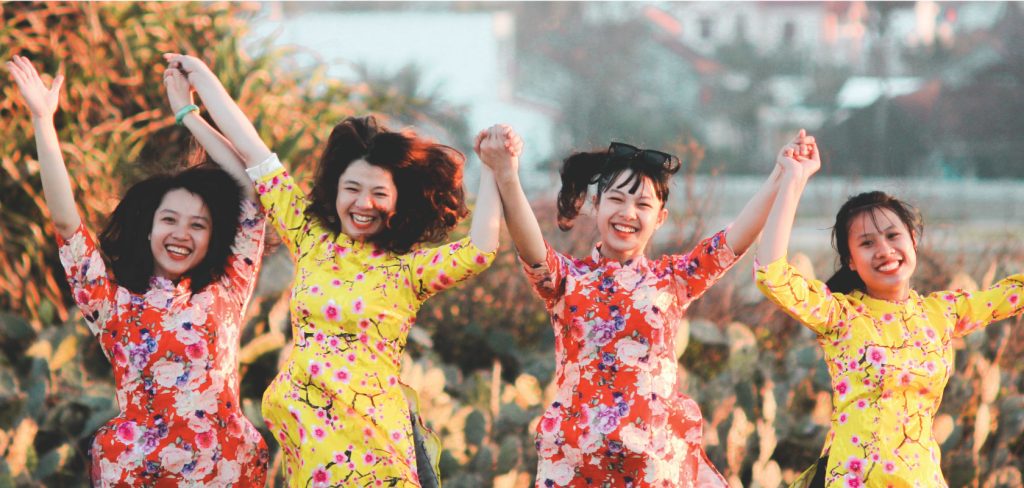
Recognised as the national symbol of Vietnam, today’s iconic ao dai has actually looked very different throughout the centuries, fusing Eastern and Western aesthetics. Though the ao dai is believed to have first made an appearance around 40 AD, or even earlier, the elegant style of dress really began to make its mark of Vietnamese style in 1744, when when the Southern Lord Nguyen Phuc Khoat commanded people to wear a front-buttoned gown and trousers during his reign. Though originally worn by both women and men, now the dress is most commonly worn by women and consists of a long, split tunic-like dress worn over trousers. Áo actually translates to “shirt” while dài means “long.” See more about the ao dai’s fascinating evolution here! Want to learn even more about the Vietnamese ao dai? This post shares some beautiful photos and background about this national dress while this video covers 100 years of ao dai styles.
3 types of Vietnamese painting

Influenced by Chinese aesthetics, French design and Vietnamese traditional art, contemporary Vietnamese paintings showcase a mix of different styles and backgrounds. Lacquer Painting With pieces found from the third and fourth centuries B.C., Vietnam’s ancient art of lacquer paintings still proves to be popular. Building off of the traditional colours of brown, black and vermilion, hot lacquer is applied in layers to a lacquered piece of cloth attached to wood. Once the design is complete, the entire piece is polished to a glimmering sheen. Silk Paintings Particularly popular between 1925-1945, the Vietnamese style of painting on silk was known for a subtle softness that stood out from the European-style paintings using heavy oil paints. Folk Prints Depicting scenes of folk tales, daily life or good luck symbols, traditional folk art is often made by using engraved woodblock prints using bright primary colours on homemade paper. This still of painting is believed to have originated in Ho Village, north of Hanoi, then spread throughout the country.
4-must try meals in Hanoi
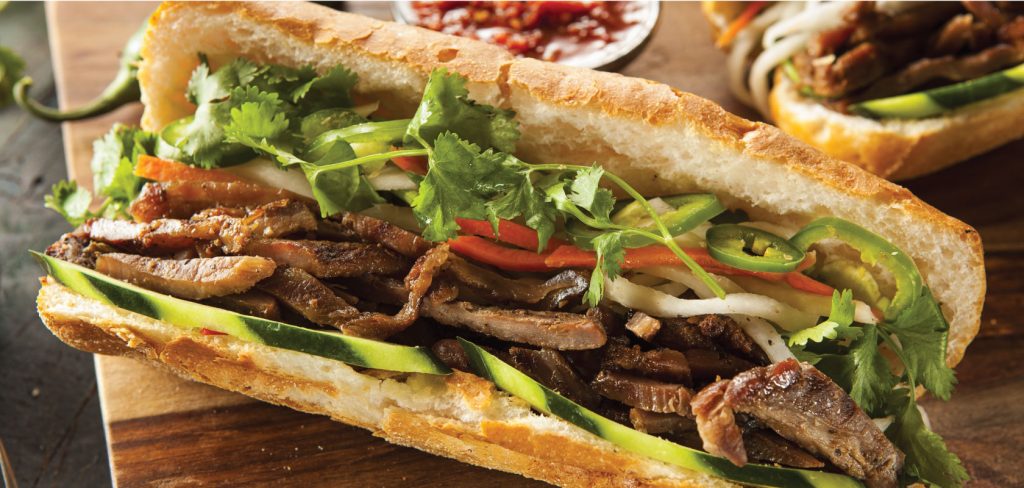
In every Vietnamese meal, you’ll find several main features: the ubiquitous bowl of rice, fresh vegetables, broth or soup-based dishes, eye-pleasing presentations and delicious dipping sauces. Additionally, the distinctive flavours of Vietnamese cuisine harmoniously combine five basic condiments including spicy (embodying metal), sour (wood), salty (water), sweet (earth) and bitter (fire). With a subtle blend of aromatic herbs, fresh vegetables and meats, plus a selective use of spices, Vietnamese food is not only quite unlike any other food in Southeast Asia but is also regarded as one of the region’s healthiest cuisines. Hanoi is famous for local delicacies – like pho, bun cha, cha ca and ca phe trung – which are served at both the humblest street vendors and the most luxurious restaurants. Pho This simple soup consists of steamy broth, fresh rice noodles, a sprinkling of fresh herbs, and chicken or beef. Featured predominately in the local diet, a bowl of steamy pho is cheap, tasty and widely available at all hours. (Though it’s often enjoyed as a morning meal!) Bun cha Bun cha is the top choice when it comes to lunchtime in the capital. Bun cha is a combination of small grilled patties of seasoned pork and slices of marinated pork belly cooked over a charcoal fire until charred and crispy. The succulent morsels are served with a large bowl of broth that’s heavily seasoned with fish sauce, a basket of herbs and a helping of rice noodles. Ca phe trung If you’re having coffee in the morning, why not slurp breakfast down as well? Ca phe trung, or Vietnamese egg coffee, is a northern Vietnamese drink that is similar to a cappuccino. Instead of milk foam, egg foam is made from light and whipped egg yolk and condensed milk. The frothy mixture is then added to brewed coffee. Cha ca Savour a satisfying lunch of cha ca, sizzling chunks of grilled fish served on a hot pan tableside. Seasoned with garlic, ginger, turmeric and dill, the fish is eaten together with baked dry pancakes. Enjoy topping it with fennel and roasted peanuts, then dipping everything in mam nem (shrimp sauce) or fish sauce. How to make cha ca Can’t make it to Vietnam right now? Bring the flavour of Vietnam into your own home by making cha ca! Hanoi Fried Fish with Turmeric and Dill (Chả Cá Lã Vọng) Hanoi Fried Fish with Turmeric and Dill (Chả Cá Lã Vọng) Fill up on Vietnamese flavours in the comfort of your own home. Chả cá lã vọng, or just chả cá for short, is Hanoi’s famous fried fish with turmeric and dill. To prepare chả cá, snakehead fish is filleted, cut into bite-sized pieces and then marinated with turmeric, garlic, shallots, sugar and fish sauce. Prior to serving, it’s grilled or baked. Then, it’s fried tableside with a handful of dill in a blistering hot cast iron skillet for a crispy outer crust. The sizzling fried fish and semi-wilted dill are placed on a bed of rice noodles and then eaten together with chopped peanuts, sesame rice crackers and the infamous mắm nêm, a pungent fermented anchovy sauce. Loads of fresh dill is served with the fish along with other assorted vegetables and Vietnamese herbs. Chả Cá Lã Vọng – Serves 5 INGREDIENTS Marinade 2 pounds firm white fish fillets (snakehead is traditionally used but you can use tilapia or catfish) 1 tablespoon turmeric powder 1 tablespoon minced garlic 1 tablespoon minced shallots 1/3 cup fish sauce 3 tablespoons granulated white sugar 3 tablespoons vegetable oil plus more for deep frying 1/3 cup cornstarch Mắm Nêm Sauce* 1 tablespoon vegetable oil 1 tablespoon minced lemongrass 8 oz finely chopped or crushed pineapple Half a bottle of Mắm Nêm, Vietnamese fermented anchovy sauce (strain to remove solids) 2 tablespoons granulated white sugar 1 Thai chilli peppers sliced thinly (optional) Other Ingredients 1 bunch fresh dill 1 bunch green onions (about 5-8 sprigs, cut into 2-inch segments) Rice vermicelli (cook per package instructions) Chopped peanuts Sesame rice paper (lightly wet with paper and microwave or grill until puffy) * It should be noted that mắm nêm is an acquired taste. While the sauce’s fragrance may be off-putting at first for some travellers, it tastes delicious and is an important component of the authenticity of the dish. INSTRUCTIONS Cut the fillets into 1.5-inch pieces. Marinate with turmeric powder, garlic, shallots, fish sauce, sugar and 3 tablespoons vegetable oil for at least one hour or overnight in the fridge. Fill a small pot with vegetable oil (add just enough to cover the fish) and heat on high. Coat the fish fillets with cornstarch, dust off the excess and fry for 2-3 minutes, preventing the fillets from touching each other. Remove from oil and transfer the fillets to a plate lined with paper towels to absorb excess oil. Prepare the mắm nêm sauce. In a small saucepan, heat up the vegetable oil on high. Next, sauté the lemongrass until fragrant and then add the pineapple and sauté until it is completely softened. Add the bottled mắm nêm and sugar. Mix well. Add chilli peppers for heat (optional). To serve, prepare a pan or cast iron skillet with a bit of vegetable oil on the bottom. Traditionally, a lot of vegetable oil is used in the pan when serving tableside but use less oil if preferred. Heat on high and then pan-fry the precooked fish. Add a bit of dill and green onions to the oil for a quick sear. Prepare a bowl of rice noodles and then transfer the cooked fish and dill to the noodles. Add chopped peanuts, crumbled sesame rice crackers and a ladle of mắm nêm. Enjoy!
sounds of Sri Lanka

Featuring vibrant beats, the sounds and music of Sri Lanka are always catchy. Get to know some of the island nation’s most popular musical acts below! Bathiya & Santhush Since 1998, the Sri Lankan pop duo Bathiya & Santhush (also known as BNS) have been one of the country’s largest and most loved musical acts. Boasting more than 50 number one hit singles, six platinum albums, countless film soundtracks and more, the pair is known throughout the South Asia music scene. For a lively listen, play the upbeat hit, “Neththara.” Iraj Sinhalese R&B and hip hop artist and music producer Iraj climbed to the top of the island’s music industry with an impressive string of number one singles, a consecutive series of top ten hits, number one self-titled debut album more. To get a sense of his most popular songs, listen classic Iraj here: Costa From Sri Lanka’s hill capital of Kandy and now living in Finland, Costa came onto the music scene in 2016 and quickly became a popular fixture in Sri Lanka’s Sinhala and English hip hop/rap music community thanks to his hard-hitting beats and appealing melodies. Check out “Nuwara Machang (The Town).”
5 films shot in Sri Lanka

Travel to a far-off place conveniently from your couch with these five films that were shot in Sri Lanka. The Bridge on the River Kwai Though a famous story set in Thailand, the 1957 film version wasn’t shot in the Land of Smiles but in the Sri Lankan highlands where a temporary bridge was built over the Kelani River. Indiana Jones and the Temple of Doom This 1984 action-adventure is the second instalment in the Indiana Jones franchise set in India. When the filmmakers were denied permission to film in India due to the government finding the script offensive, they moved the product to Kandy in Sri Lanka. A Common Man A thriller shot in Colombo, the 2013 A Common Man is an American/Sri Lankan production that won for Best Picture, Best Director and Best Actor at the Madrid International Film Festival. The Second Jungle Book: Mowgli & Baloo This 1997 children’s live-action film follows young Mowgli and his jungle friends as they try to escape a scout from the circus. Elephant Walk Though dated now, this 1954 film starring Elizabeth Taylor offers a glimpse at colonial life in British Ceylon about a young bride of a wealthy tea planter.
tales of train travel in Sri Lanka

It’s not the destination but the journey that counts! Inthiquab Majid, Executive – Service Fulfilment at Diethelm Travel Sri Lanka, shares a memory of their magical overnight train journey from Colombo to Ella. Being an adventurous traveller, I usually prefer taking public transportation, like the train. This method has allowed me to have some of my most memorable experiences! Travelling via train in Sri Lanka has many advantages. The best journey, I would say, is to the hill country. This route has become a popular experience with travellers in Sri Lanka and for good reason – the journey itself is incredibly scenic and you get to enjoy the cool climate, rolling tea hills, misty pine tree forests and rugged mountains. Many passengers like to ride on the footboard looking out through the door. I would not recommend this but, since the train travels uphill at a low speed, it may seem like a fun thing to do for others. I agree that it is the best spot on the train which always offers 180-degree views of the valley. There are many other routes to take that aren’t as well known by tourists. Taking the train in Sri Lanka is known to be magical. I didn’t truly believe this until I once travelled on a night train that takes you to your destination by morning. There are no seats to be booked and the conditions are not that comfortable. However, being the adventurer I am, I decided to take the night train from Colombo to Ella. Since it was the weekend, the train was really full, and there was not much space to move about, but it allowed me to come across a true local experience. Since there aren’t onboard facilities, you get to see different people selling a variety of snacks and even hot coffee getting on and off the train at different stations. The most memorable moment from this particular adventure was getting to see the true magic that this route offers – the train reaches the most scenic stretch of track close to the same time as sunrise. It’s that moment when the train comes out of the pine forest and the view is opened up to the horizon to the east. It’s a breathtaking view and one feels lucky to witness such a thing! Feel free to contact us anytime to discover more about train travel in Sri Lanka at sales@lk.diethelmtravel.com.
7 cocktails featuring arrack, the Sri Lankan coconut spirit
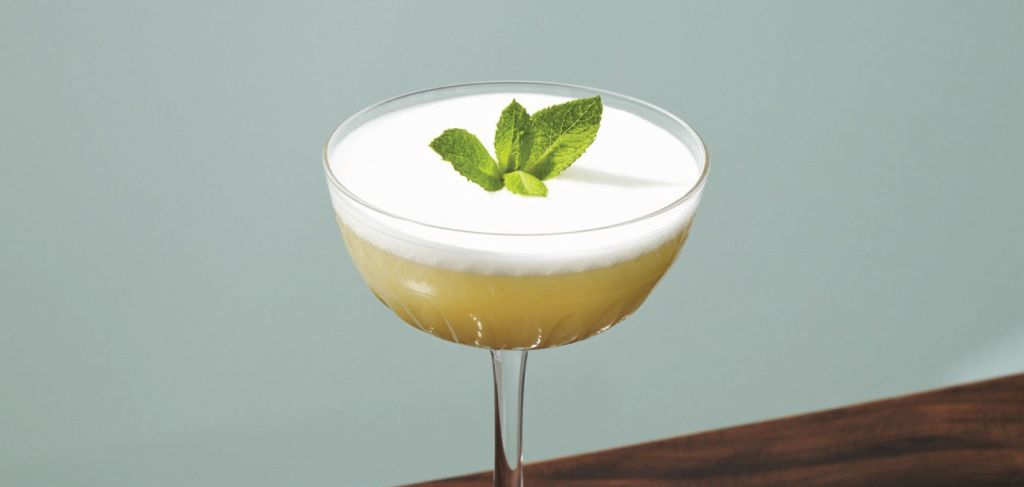
An ancient spirit mentioned even by Marco Polo, Sri Lankan arrack has been a local favourite for centuries. In recent years, makers such as Ceylon Arrack are trying to elevate the local spirit’s appeal to international levels. Distilled from the sap of the coconut flower, arrack is best described as a fragrant dark coconut rum and makes a delicious addition to contemporary yet classic cocktails, like these concoctions from Ceylon Arrack. Tusker Concocted by bartender Chris Pollard and winner of the Manchester Arrack Trail. Ingredients 60mlCeylon Arrack 25ml lemon juice 2 spoonfuls of caster sugar 2 drops of peach bitters egg white Combine all ingredients in a cocktail shaker and serve in a wide glass. Aliya Fusing Ceylon Arrack and coconut water, this a light and refreshing cocktail when temperatures are high. Ingredients 50ml Ceylon Arrack 100ml chilled coconut water 1 wedge of fresh lime Combine Ceylon Arrack and the coconut water in a lowball glass over ice and garnish with the lime. Toddy Tapper’s Punch With a colour resembling Ceylon tea, this delightful punch is sweet and fragrant. Ingredients 120ml Ceylon Arrack 40ml Mas Amiel sweet wine 60ml Claret wine 8 slices of fresh orange 8 dashes orange bitters 4 cinnamon sticks 20ml tea-infused gomme syrup Combine all ingredients in a large container and leave overnight. When ready to drink, serve with ice garnished with a slice of orange. Everlasting Summer From Danny Smith at Keko Moku in Manchester, England, get ready for a drink that’s part mojito, part pina colada. Ingredients 50ml Ceylon Arrack 25ml lime juice 10ml agave 50ml pineapple juice 8 mint leaves 20ml Coco Lopez Blend all the ingredients together with ice. Coco Moratuwa Named after a coastal suburb of Colombo, this cocktail was created by Andrew Grey at Apotheca Bar in Manchester, England. Ingredients 5ml Ceylon Arrack 5ml Velvet Falernum 25ml lemon juice 10ml coconut sugar syrup 1 bar spoonful of runny honey Combine the lemon juice with the honey and coconut sugar syrup and stir. Once the honey is diluted, add ice cubes, the Ceylon Arrack and Velvet Falernum. Shake and strain into a lowball glass garnished with lemon and a maraschino cherry. Ceylon Coconut Colada A new twist on a classic created by Clinton Ghent of Revolucion de Cuba, in Manchester, England. Ingredients 50ml Ceylon Arrack 100ml coconut water 50ml pineapple juice 5ml vanilla syrup 5ml passion fruit syrup Combine everything in a cocktail shaker, shake and pour. Orient Espresso Ceylon Arrack’s take on the espresso martini from Paul Stevans, bar manager at London’s Mandarin Oriental. Ingredients 50ml coffee-infused Ceylon Arrack 35ml vanilla vodka 5ml Patron XO Café 5 cardamom syrup 70ml chilled espresso Combine all the ingredients in a shaker and dry shake first, then add ice and shake to chill. Strain into a tall martini glass and enjoy. Cheers!
5 books set in Sri Lanka

Whether you enjoy armchair travelling by being captured by captivating tales or like to read up on a destination before you visit in real life, these five books set in Sri Lanka offer a glimpse into this fascinating country. Running in the Family Author Michael Ondaatje, who also wrote the novel The English Patient, creates a fictionalised memoir with Running in the Family, telling the story of a Dutch-Ceylonese family and the main character’s return to Sri Lanka in the late 1970s. This Divided Island Written by an Indian journalist, This Divided Island shares insight into the Sri Lankan War, which still affects contemporary life and culture as it only ended in 2009. Serendipity Contemporary Sri Lankan writer Ashok Ferrey weaves a story about Piyumi Segarajasingham, a young barrister in eighties London, returning to Colombo after she gains responsibility for her family’s share of an inheritance, the servants’ quarters of a house her other relatives want to sell. Island of a Thousand Mirrors From another contemporary Sri Lankan writer, Nayomi Munaweera, Island of a Thousand Mirrors follows the story of a Sinhala girl and a Tamil girl sharing a younger perspective of the conflict between the two respective cultures. The Tea Planter’s Wife Set in 1920s Ceylon (the former name for Sri Lanka), this best-selling novel involves a young Englishwoman who marries a charming tea plantation owner and moves to Ceylon only to discover he’s keeping secrets about his past.